


 Demas Zac August 27, 2026 11:18 am . 4 min read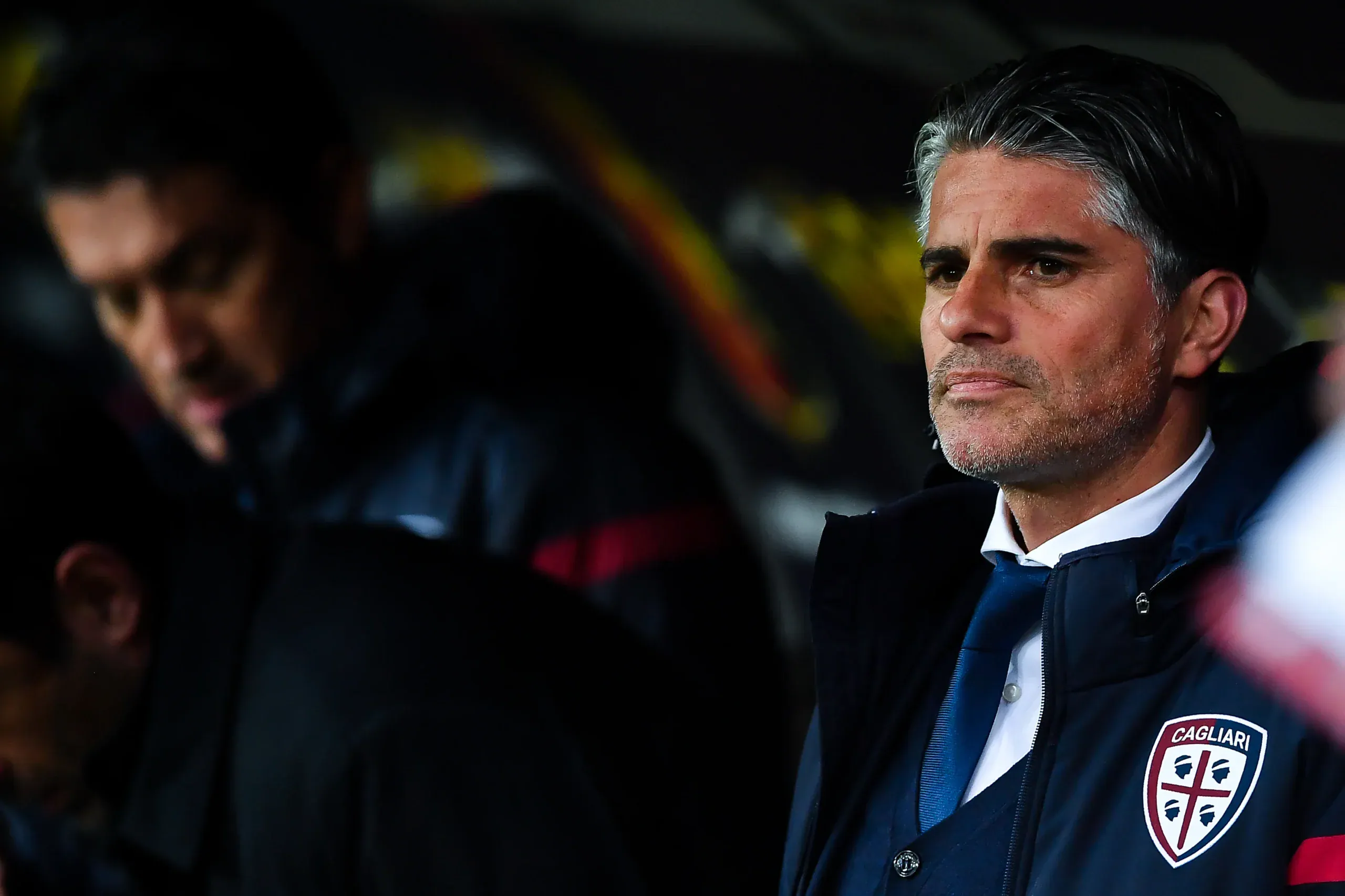
FolioPitch.com – 27 August 2026 | The Genoa director Diego Lopez banned for 2 weeks over referee confrontation has become the central storyline in Serie A‘s latest disciplinary ruling. The sporting director was suspended until September 8 following his aggressive conduct after Genoa’s 2-0 defeat to Napoli on Saturday, a match marked by controversy over Kevin De Bruyne‘s opening goal.
According to the disciplinary judge Gerardo Mastrandrea, Lopez improperly entered the pitch at full time despite not being listed on the matchday sheet. He repeatedly contested a refereeing decision while adopting an aggressive attitude, continued his protests in the dressing room area, and briefly prevented the referee from closing his own dressing room door. The incident around the Genoa director Diego Lopez banned for 2 weeks over referee confrontation highlights growing tensions between clubs and officials in Italian football.
The flashpoint occurred in the first half when Kevin De Bruyne challenged Genoa defender Johan Vasquez before going on to score the opening goal. Genoa’s players and staff were furious that the foul was not penalized, and their protests continued long after the final whistle. Daniele De Rossi, Genoa’s head coach, had already expressed his anger from the touchline during the match. Afterward, he was scathing in his assessment, stating that there was not a single person in the world who thought it was not a foul.
Despite these protests, Italy’s refereeing chief Daniele Orsato has backed the on-field decision made by referee Marco Di Bello. The officiating hierarchy maintains that no error was made, even though television replays appeared to show clear contact between De Bruyne and Vasquez before the goal. The decision not to consult VAR in that situation has intensified the debate over the use of technology in crucial match moments.
The Genoa director Diego Lopez banned for 2 weeks over referee confrontation is not an isolated incident, as the club had previously expressed grievances about refereeing decisions in earlier matches. Lopez had referenced a late VAR decision at Napoli and a red card that Genoa felt should have been given in their favor at Roma. These accumulated frustrations may have contributed to his emotional response on Saturday.
Diego Lopez’s ban means he will be absent from the club’s technical area and any official team activities until early September. While the suspension is relatively short, it sends a clear signal that Serie A authorities are determined to maintain respect toward match officials. The sanction also serves as a warning to other club directors who may consider confronting referees in prohibited areas.
The controversy has also reignited discussions about the consistency of refereeing in Serie A. Fans and pundits alike have questioned why VAR did not intervene for the challenge on Vasquez, especially given the high-profile nature of the match. Napoli went on to secure a comfortable victory with a second goal from Vergara, but the aftermath of the match has dominated headlines more than the result itself.
For Genoa, the immediate focus will now shift to their upcoming fixtures without their sporting director on the sidelines. The club remains determined to move forward, but the sense of injustice over the disallowed protests lingers. The episode has become a talking point not only for Genoa supporters but for the wider football community in Italy as debates about officiating standards continue.
In conclusion, the suspension of Diego Lopez highlights the often-volatile relationship between club officials and referees in high-stakes matches. While the ban is temporary, the questions raised about the De Bruyne goal and the handling of protests are likely to persist. As Serie A moves into September, all eyes will be on whether such incidents can be avoided through better communication and clearer officiating protocols. The case of the Genoa director Diego Lopez banned for 2 weeks over referee confrontation serves as a reminder that the emotional intensity of football must always be balanced with respect for the rules and those who enforce them.
From the restless hum of Medan’s newsrooms, Demas Zac forged a writer’s instinct—sharpened by conversations with journalists who treated truth like poetry. Since 2017, he has turned the lens inward, observing how sci-fi dystopias mirror the rhythm of urban streets, finding sparks of hope in concrete corners. His words don’t just narrate; they dare you to see the future hiding in today’s quiet revolutions.


This website uses cookies to ensure you get the best experience on our website and to comply with privacy regulations (GDPR). By continuing, you agree to our Privacy Policy and Cookie Policy.