


 Ahonui Stanford Damar October 26, 2026 9:07 am . 5 min read
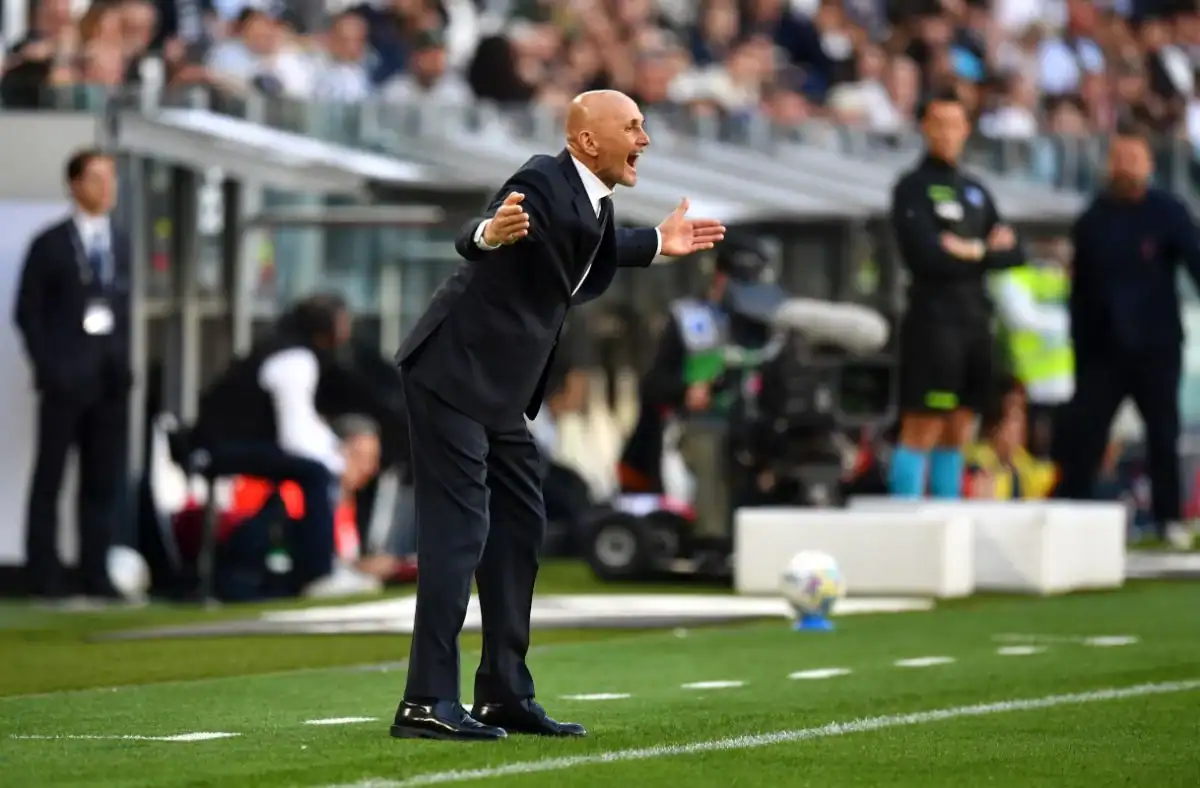
FolioPitch.com – 26 October 2026 | Luciano Spalletti acknowledged that his new tactical setup has given Juventus a much-needed foundation, but he was left frustrated by his side’s second-half regression in Sunday’s 2-0 Serie A victory at Lecce. Speaking after the match, the Bianconeri coach admitted that the Spalletti Juventus system brings solidity but we went backwards in the second half, a candid assessment that captured both the progress and the lingering issues at the Via del Mare.
Juventus secured all three points thanks to first-half goals from Weston McKennie and Douglas Luiz, the latter netting his first competitive goal for the club. The result was a welcome response to last weekend’s humiliating 3-0 defeat against Lazio, yet the performance after the interval left Spalletti with plenty to ponder as his team allowed Lecce far more possession and chances than they had in the opening 45 minutes.
Spalletti was pleased with the intensity and courage his players showed early on but lamented their failure to maintain those standards. “The players played a very good game in terms of pace and playing openly,” he told Sky Sport Italia. “We dropped off a bit in terms of our management in the second half and then everything became more difficult because we had less courage. We needed to do the same things as we did in the first half.”
The coach’s decision to switch to a three-man midfield, with Randal Kolo Muani and Nick Woltemade leading the line, was designed to inject stability after the Lazio setback. It worked in the first half, but the Spalletti Juventus system brings solidity but we went backwards in the second half narrative was reinforced by Lecce’s tactical shift, as the hosts moved from a 4-3-3 to a back three and went man for man after the break.
One clear positive for Spalletti was the performance of Douglas Luiz, who capped a combative display with his first goal in Juventus colours. “He had a great game today, he fought and ran, he battled on all sides and he helped clean up certain situations when we needed him to,” Spalletti said. The Brazilian’s energy and commitment offered a template for the kind of aggression the coach wants to see for the full 90 minutes.
Yet the overall picture remains mixed. Spalletti explained that the tactical change was a logical response to a difficult moment. “We spoke about what we needed most,” he said. “We changed something on a tactical level by playing with three midfielders, because in these sorts of moments you need more solidity and clarity and we did the most logical thing. But then you have to put the players into positions where they do well, and it means excluding wide players who have previously done well for us.”
The coach added: “We found this system, which brings solidity, and we’re happy with that because we immediately saw a better team performance. The second half, however, we seemed to go backwards.” That admission underlines the central tension in Juventus’ current project: the new shape offers protection, but it has not yet solved the team’s tendency to retreat when protecting a lead.
Spalletti was particularly critical of his side’s failure to press and build from the back after the interval. “They came out in a 4-3-3 and in the second half they played three at the back and went man for man. We stayed put, we didn’t press with any force and we no longer built from the back. The goalkeeper had a lot more passes to make in the second half,” he noted. “We had a two-goal lead, but that wasn’t enough to lose our measure. We didn’t concede, but we weren’t very proactive in trying to close the game.”
The statistics tell a similar story: Juventus surrendered the initiative and invited pressure, even if Lecce lacked the cutting edge to punish them. For a side that shipped three goals against Lazio just a week earlier, keeping a clean sheet was a step forward, but the manner of the second-half display suggests the Spalletti Juventus system brings solidity but we went backwards in the second half pattern could become a recurring problem if not addressed.
The win lifts some of the immediate pressure on Spalletti and his squad, but the coach knows that consistency across both halves is essential if Juventus are to compete at the top end of Serie A. The three-man midfield experiment has shown promise, particularly in offering a platform for players like Douglas Luiz and McKennie to influence proceedings, yet the team’s inability to sustain aggression remains a concern.
As Spalletti himself put it, the Spalletti Juventus system brings solidity but we went backwards in the second half. That phrase neatly summarises the current state of the project: genuine progress in structure and resilience, but a psychological and tactical fragility that opponents will look to exploit. The challenge for the coaching staff now is to ensure that the solidity witnessed in the first half becomes the norm rather than an exception, and that Juventus learn to manage games with the same courage and clarity they show when chasing a result.
In conclusion, the victory at Lecce provides a platform, but not a solution. Spalletti has found a system that offers a degree of defensive assurance, yet the second-half retreat serves as a warning that Juventus cannot afford to sit back and invite pressure. Until they maintain their intensity for the full duration, the balance between solidity and ambition will remain a work in progress.
Ahonui Stanford Damar somehow turned a literature degree into a career writing news—maybe because fiction and breaking news both require a healthy dose of imagination. Based in Tangerang since 2011, he balances his journalistic cyn


This website uses cookies to ensure you get the best experience on our website and to comply with privacy regulations (GDPR). By continuing, you agree to our Privacy Policy and Cookie Policy.