


 Ahonui Stanford Damar October 27, 2026 12:07 am . 5 min read
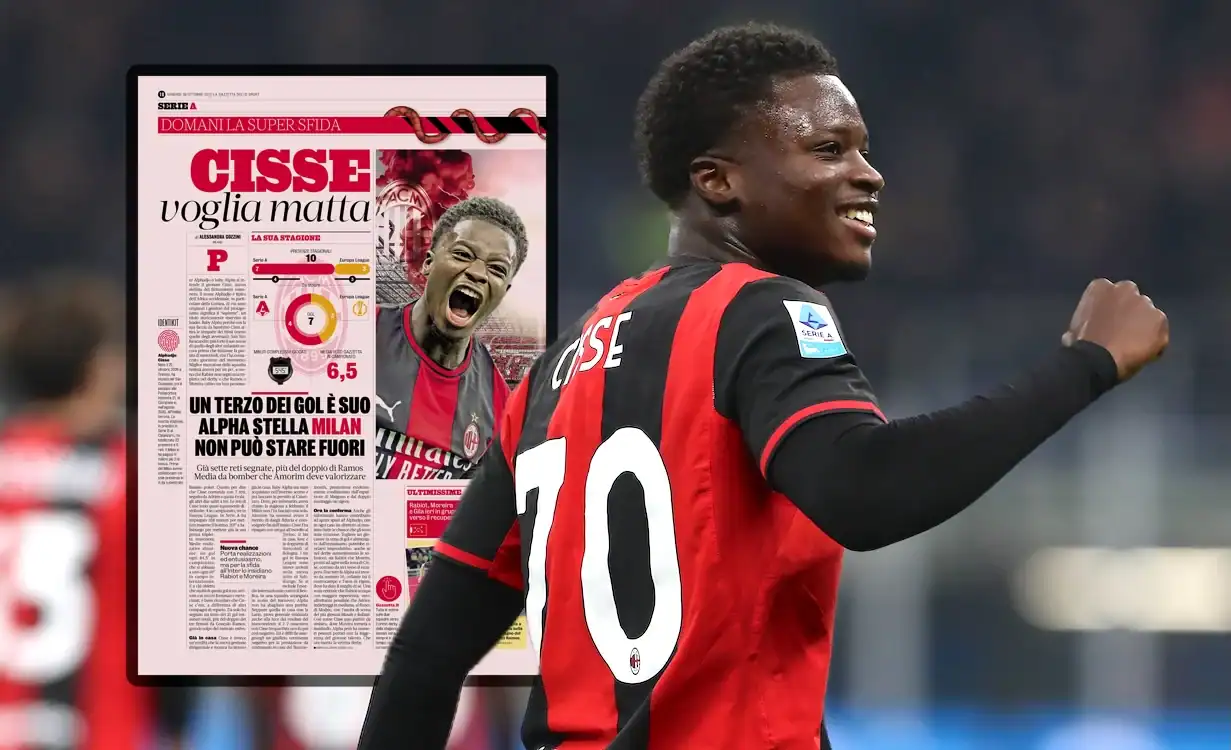
FolioPitch.com – 27 October 2026 | The controversial flashpoint in AC Milan‘s 2-0 victory over Udinese on Saturday night continues to spark heated debate among pundits, former referees, and fans alike. The incident, which occurred ten minutes before half-time at the Bluenergy Stadium, saw Milan’s Gonçalo Ramos go down holding his face after a clash with Udinese teenager Palma. With the ball far away, Palma appeared to swing an arm into Ramos’s face, yet referee Marcenaro was not instructed to consult the pitch-side monitor. The decision – or lack thereof – has ensured that the It s a red card vs not violent conduct Ramos incident in Udinese-Milan divides opinion across the Italian football landscape.
The sequence of events was complex. In the 36th minute, Palma used what La Gazzetta dello Sport described as an open, ‘limp’ hand to break free from Ramos. The contact was not deemed violent conduct by the newspaper, but rather unsportsmanlike behaviour that could have warranted a yellow card. However, VAR could not intervene because the offence would only be a booking, and since Marcenaro missed the incident, Palma escaped punishment entirely. Just two minutes later, Ramos himself was booked for dissent after grabbing Abankwah by the neck inside the Udinese penalty area and pulling him to the ground – a decision that was correctly issued.
The well-known refereeing analysis account Errori Arbitrali offered a strong opinion on the matter, writing on X: ‘You know that for me, if the VAR intervenes to give a red card after a deliberate reaction gesture to the face without any contest for the ball, it never gets it wrong (unless, as the rules say, the force used is not negligible). In this case, Palma is true that he doesn’t put too much power into the blow, but he deliberately raises his elbow knowing full well about Ramos’s position behind him.’ This perspective clearly leans towards the ‘red card’ interpretation, adding fuel to the It s a red card vs not violent conduct Ramos incident in Udinese-Milan divides opinion narrative.
Former referee Graziano Cesari, speaking to Pressing via MilanNews, was even more unequivocal. ‘We’re in the 35th minute. Gonçalo Ramos goes to the ground after Palma hits him in the face with the ball far away. Referee Marcenaro absolutely can’t see it. There are two aggravating factors here: the ball is far away and this is an absolutely deliberate and not accidental intervention, he actually elbows him. The assistant who is nearby says nothing, just as there is no intervention by the VAR. This for me is a red card. Then let’s not complain if in Europe they give a red card and a penalty for hitting an opponent in the face. Palma is incredibly naive. It’s not an open-handed blow, it’s a blow with the elbow that lands directly in the face. The assistant should have seen it, it happened right in front of him.’ Cesari’s verdict strengthens the case for those who believe Palma should have been sent off, further intensifying the It s a red card vs not violent conduct Ramos incident in Udinese-Milan divides opinion.
On the other side of the argument, La Gazzetta dello Sport took a more lenient view. They wrote: ‘In the 36th minute, Palma uses an open, “limp” hand to break free from Ramos; while not an act of violent conduct, it is unsportsmanlike – warranting a potential yellow card. VAR cannot intervene, and since Marcenaro misses the incident, the Udinese defender escapes a booking.’ This interpretation supports the ‘not violent conduct’ stance, highlighting the subjective nature of refereeing decisions and the fine line between a booking and a sending-off. The divergence between these expert opinions encapsulates why the It s a red card vs not violent conduct Ramos incident in Udinese-Milan divides opinion so fiercely.
The implications of this incident extend beyond the match itself. Milan ultimately secured a comfortable 2-0 win, but the controversy raises questions about consistency in Serie A refereeing and the role of VAR in borderline cases. With the ball out of play and the assistant referee in close proximity, many are asking why the incident was not at least reviewed. The debate also touches on a broader issue: the perception that Italian referees are more lenient than their European counterparts when it comes to physical contact around the face. Cesari’s warning – ‘let’s not complain if in Europe they give a red card and a penalty’ – resonates with those who fear that such inconsistencies could harm Italian clubs in continental competitions.
As the dust settles, the It s a red card vs not violent conduct Ramos incident in Udinese-Milan divides opinion remains a talking point that refuses to go away. Whether Palma’s action was a deliberate elbow deserving of a red card or merely a clumsy, unsportsmanlike shove worthy of a yellow, the lack of a definitive ruling from VAR has left a sour taste. For now, the debate continues, serving as a reminder of the fine margins and subjective judgments that define modern football officiating.
Ahonui Stanford Damar somehow turned a literature degree into a career writing news—maybe because fiction and breaking news both require a healthy dose of imagination. Based in Tangerang since 2011, he balances his journalistic cyn


This website uses cookies to ensure you get the best experience on our website and to comply with privacy regulations (GDPR). By continuing, you agree to our Privacy Policy and Cookie Policy.