


 Ahonui Stanford Damar October 28, 2026 2:22 am . 5 min read
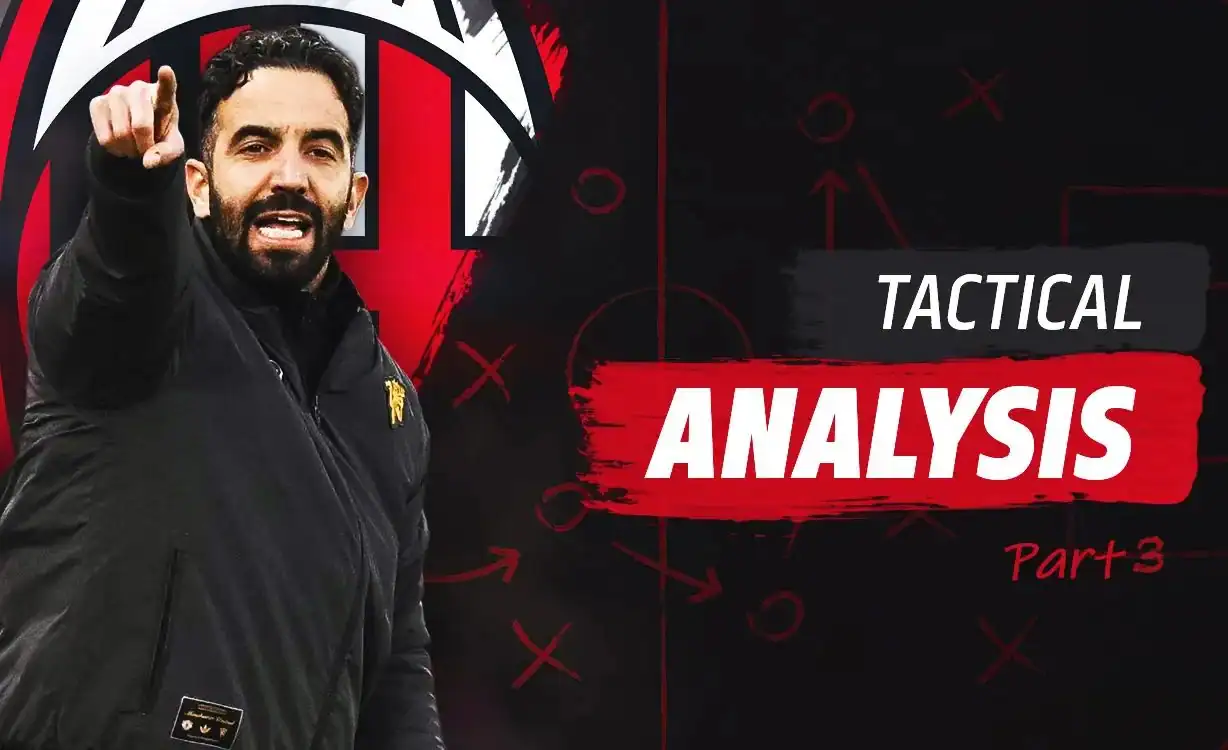
FolioPitch.com – 28 October 2026 | AC Milan responded to Thursday night’s disappointing defeat in Bournemouth with a composed 2-0 victory over Udinese on Sunday, a result that lifted the Rossoneri to fourth in the Serie A table. The match offered a fascinating insight into How Amorim effectively navigated an injury crisis Tactical analysis of Udinese 0-2 AC Milan, as the Portuguese coach improvised a fluid system that neutralized the hosts and secured a crucial three points.
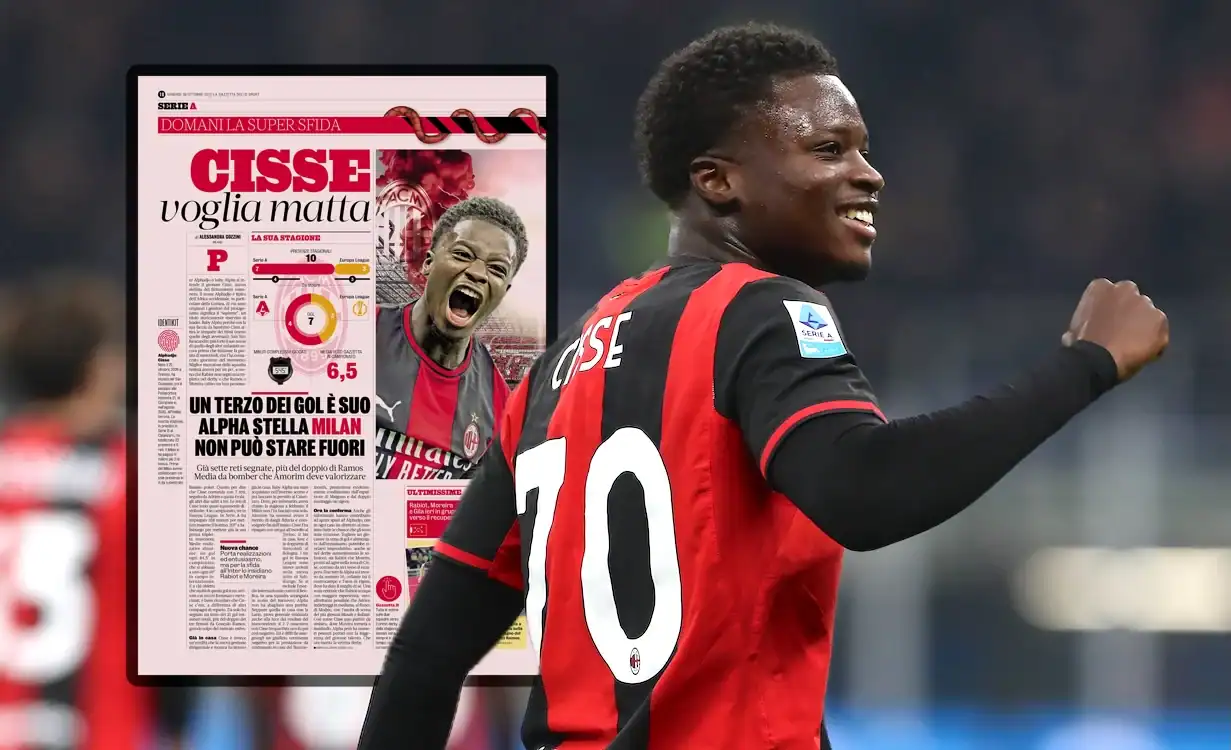
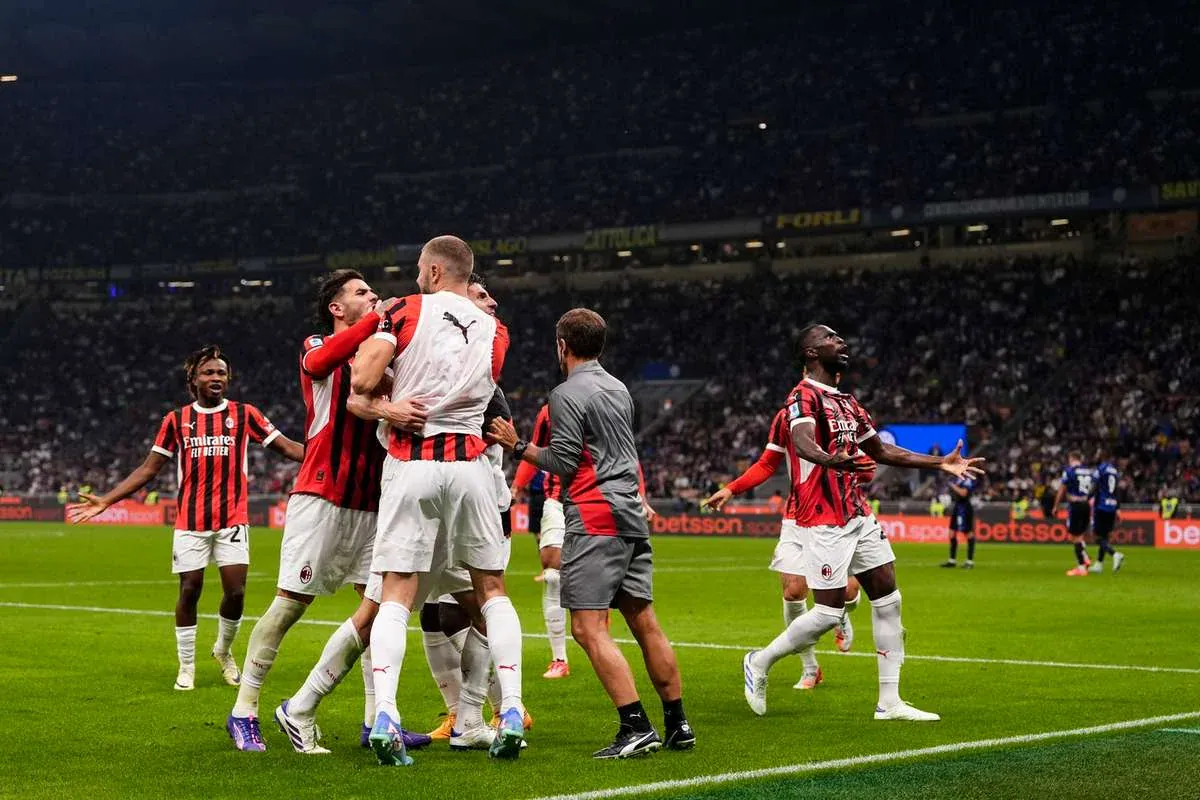
Despite missing several key players, Milan produced a surprisingly comfortable win. Christian Pulisic opened the scoring early with a moment of genuine quality, controlling Luka Modric’s lofted pass with a sublime first touch before finishing past Okoye. Omari Hutchinson added a second in the second half to seal the victory, capping a performance that underlined the tactical flexibility instilled by Ruben Amorim.
Milan lined up in a 4-4-2 formation, but the shape was anything but rigid. Sankhoun Diawara operated at left-back, while Fikayo Tomori filled in at right-back. Bartesaghi occupied the left midfield role, Hutchinson played on the right, and Pulisic supported lone striker Gonçalo Ramos in a free attacking role. The attacking structure relied on fluid rotations and situational adaptations, with one constant: maintaining a back three during build-up. Either Jashari or Modrić dropped deeper depending on the situation, allowing Milan to establish a 3-2-5 attacking structure. The players were given freedom to interpret their positions, provided the overall framework was maintained.
Milan employed several mechanisms to progress possession, including passing diamonds to break through Udinese’s press. They adopted a patient, possession-oriented approach, averaging 6.2 passes per possession compared to Udinese’s 4.9. This patience allowed Milan to search for gaps in the hosts’ pressing structure, and the fluid nature of their system proved crucial. Higher up the pitch, third-man combinations linked players and progressed the ball through Udinese’s defensive lines. One example saw Hutchinson, Tomori, and Pulisic combine, with Pulisic moving into space to receive the third-man pass.
The opening goal resulted from three factors: Pulisic’s intelligence and technique, Modric’s vision, and a lack of communication between Udinese players. As the foul occurred, Vojvoda was occupied with Bartesaghi and Pulisic. While focused on Bartesaghi, Vojvoda failed to inform James (no.14) about Pulisic’s run, allowing the American to exploit the space and finish clinically. It was a perfect illustration of How Amorim effectively navigated an injury crisis Tactical analysis of Udinese 0-2 AC Milan, as the coaching staff identified and exploited a specific defensive weakness.
Udinese relied heavily on building through wide areas, a tendency Milan recognized and used to their advantage by directing their press toward the flanks. Milan recorded an overall PPDA of 10.38, starting aggressively with a PPDA of 7.2 before easing off after the opening goal. They raised the intensity again in the final 15 minutes, recording an impressive PPDA of 4.4. Milan defended in a 5-2-3 shape to counter Udinese’s 3-2-5 on the ball. The hosts resorted to long-range efforts, with nine of their 12 attempts coming from outside the penalty area. This appeared to be a deliberate tactical approach, potentially using the defensive congestion to obstruct Maignan‘s line of sight. Amorim’s principle of always maintaining three players in the defensive line was evident in a key rotation: as Koni De Winter pushed forward, Modrić dropped back to occupy his position, ensuring Milan retained their three-man rest defence and minimized counter-attack opportunities.
Milan’s second goal again originated from an overload on the left flank. By creating a passing diamond, they found Pulisic and progressed the attack. Hutchinson subsequently found Jashari, who exploited a small gap between Udinese’s defenders to get his shot away. The visibility issue may have affected Okoye again, as a defender obstructed his view and delayed his reaction. Although he saved Jashari’s initial effort, he could only parry it into the path of Hutchinson, who had escaped Lennon Miller’s attention and reacted quickest to convert the rebound. This goal further demonstrated How Amorim effectively navigated an injury crisis Tactical analysis of Udinese 0-2 AC Milan, with the makeshift lineup executing the game plan to perfection.
The victory was a testament to Amorim’s tactical acumen and the squad’s adaptability. With key players unavailable, the coach devised a system that maximized the strengths of those available, particularly Pulisic and Hutchinson, while maintaining defensive solidity. The fluid 4-4-2 that morphed into a 3-2-5 in possession and a 5-2-3 out of possession confused Udinese and allowed Milan to control the game. This performance will give the Rossoneri confidence as they navigate a busy fixture list, and it provides a clear example of How Amorim effectively navigated an injury crisis Tactical analysis of Udinese 0-2 AC Milan. The win moves Milan up to fourth, keeping their Champions League ambitions on track. Amorim’s ability to adapt under pressure will be crucial as the season progresses, and this match will be remembered as a tactical masterclass in improvisation.
Ahonui Stanford Damar somehow turned a literature degree into a career writing news—maybe because fiction and breaking news both require a healthy dose of imagination. Based in Tangerang since 2011, he balances his journalistic cyn


This website uses cookies to ensure you get the best experience on our website and to comply with privacy regulations (GDPR). By continuing, you agree to our Privacy Policy and Cookie Policy.