


 Ahonui Stanford Damar October 29, 2026 8:22 pm . 4 min read
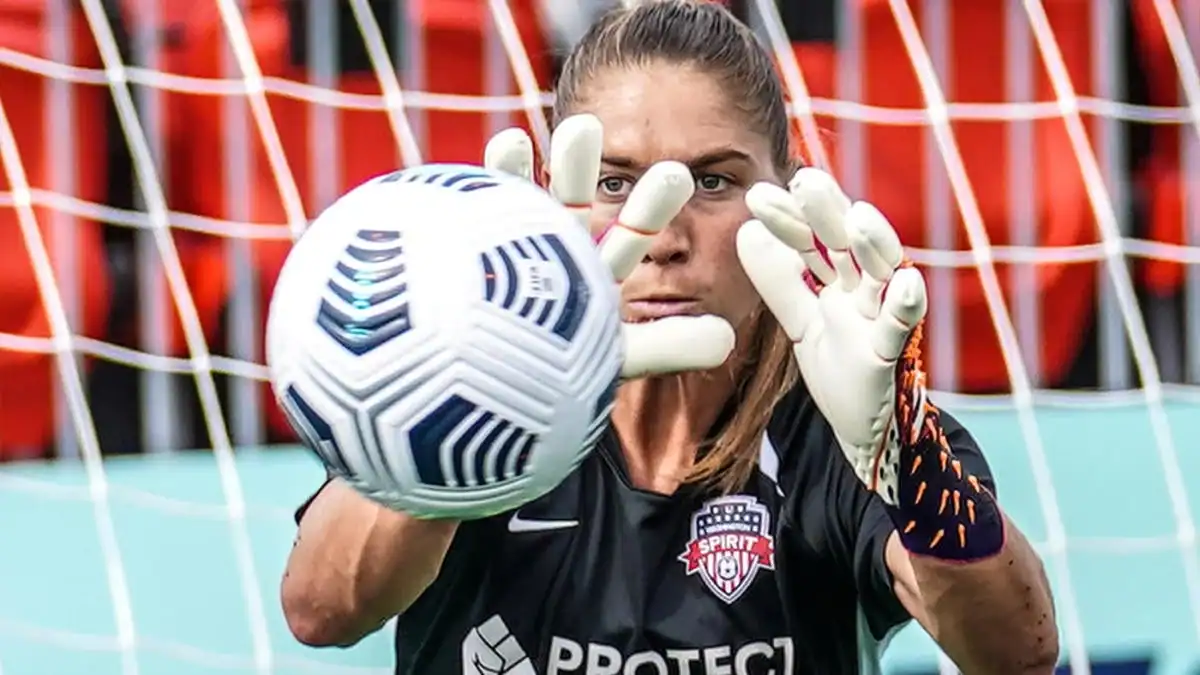
FolioPitch.com – 29 October 2026 | When the Kansas City Current edged the Washington Spirit 2-1 last Sunday, the scoreline told only part of the story. Two high-caliber sides traded blows in a match that felt like a playoff preview, yet the contest was ultimately decided by goalkeeping giveaways. That uncomfortable reality has thrust a tactical question into the spotlight: Why are NWSL teams using their goalkeepers in attack? The answer reveals a league-wide shift in philosophy, one that is as thrilling as it is perilous.
In the 12th minute, Kansas City’s Lorena took a heavy touch off a back-pass, allowing Clara Luvanga to pounce and hand Washington the lead. The Current responded immediately, and then Washington gifted them the winner in the 17th minute when Sandy MacIver was tackled before Vanessa DiBernardo lashed home. The two moments were not identical — Lorena had more time to clear her lines, while MacIver received a slow, sideways ball under pressure — but both underscored the same trend. Understanding why are NWSL teams using their goalkeepers in attack requires looking beyond the individual errors and into the structural demands of modern possession football.
The practice should not be confused with the “sweeper-keeper” role, in which a goalkeeper races out of the box to mop up loose balls behind a high back line. Gotham’s Ann-Katrin Berger is the most prominent example of that defensive-minded job in the NWSL today, a safeguard for teams that press high and defend aggressively. Using the goalkeeper in attack is different: it is a deliberate offensive choice to integrate the last line into build-up play, turning the keeper into an auxiliary outfield passer.
So why are NWSL teams using their goalkeepers in attack? The logic begins with numerical superiority. When a goalkeeper steps into the first phase of build-up, a team can create a 4v3 or 3v2 overload against an opposing press. That extra body forces forwards to hesitate, opening passing lanes through midfield. It also stretches the opponent’s defensive block, because a pressing forward must decide whether to commit to the keeper or hold a central position. In a league where high pressing has become standard, the keeper as an extra passer is a pressure-release valve.
There is also a developmental dimension. The NWSL has attracted a wave of technically proficient goalkeepers comfortable with the ball at their feet, and coaches are increasingly recruiting for distribution as much as shot-stopping. Training sessions now routinely include rondo work and positional games for keepers, blurring the line between goalkeeper and outfield player. The result is a tactical ecosystem in which the keeper is expected to contribute to possession, not merely survive it.
Yet the risks are real, as Sunday’s match demonstrated. A misplaced touch or a slow back-pass can hand opponents a goal in the most unforgiving area of the pitch. The margin between a brave build-up and a catastrophic error is measured in fractions of a second. Critics argue that the aesthetic benefits of playing out from the back do not justify the occasional self-inflicted wound, especially in playoff races where a single mistake can decide a season.
Why are NWSL teams using their goalkeepers in attack, then, if the downside is so severe? The answer lies in expected value. Coaches believe that over a full season, the advantages of breaking pressure and maintaining possession outweigh the isolated errors. A keeper who can reliably find a free midfielder under pressure effectively neutralizes an opponent’s press, forcing them to defend deeper and reducing their attacking opportunities. The trade-off is calculated, not reckless.
Still, the execution matters enormously. The two goals conceded on Sunday highlighted different failure modes: one came from a heavy first touch, the other from a poorly weighted pass into pressure. Teams must tailor their approach to the keeper’s skill set and the opponent’s pressing structure. A keeper with elite distribution can be a genuine weapon; one who is less comfortable may need simpler, safer patterns. The tactical blueprint is not one-size-fits-all.
As the NWSL continues to professionalize, the goalkeeper’s role will keep expanding. The question is no longer whether keepers should be involved in attack, but how coaches can minimize the risk while maximizing the reward. Sunday’s match was a reminder that the revolution is already here — and that it will produce both brilliant build-ups and painful giveaways. For teams chasing titles, the challenge is to ensure the former outweighs the latter.
Ahonui Stanford Damar somehow turned a literature degree into a career writing news—maybe because fiction and breaking news both require a healthy dose of imagination. Based in Tangerang since 2011, he balances his journalistic cyn




This website uses cookies to ensure you get the best experience on our website and to comply with privacy regulations (GDPR). By continuing, you agree to our Privacy Policy and Cookie Policy.