


 Sheridan Olubayo Sheridan June 29, 2026 6:45 pm . 3 min read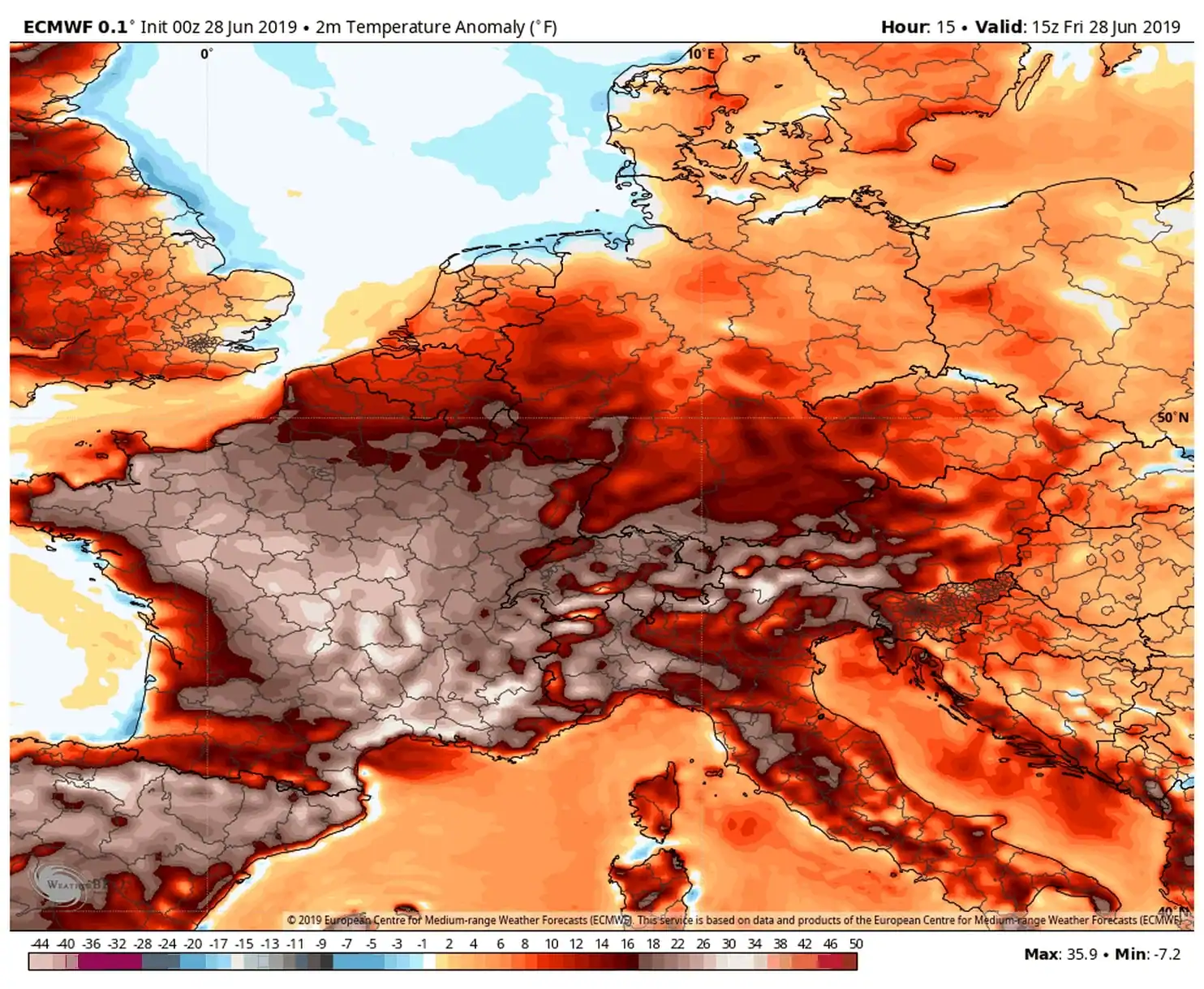
FolioPitch.com – 29 June 2026 | France records 1,000 additional deaths as extreme heat sets European records, with the country bearing the brunt of a historic heatwave that has swept across Europe. According to the World Health Organization, more than 1,300 excess deaths have been linked to the high temperatures since June 21, with France alone reporting at least 1,000 additional deaths in just three days. The French public health agency, Santé Publique, confirmed that fatalities soared particularly among those aged 65 and over, with a 40% increase in home deaths observed.
The heatwave, which has shattered temperature records across the continent, is part of a broader pattern of extreme weather driven by climate change. A rapid attribution study by the World Weather Attribution group found that the record-breaking heat and humidity would have been virtually impossible 50 years ago and is now 200 times more likely than it was two decades ago. WHO Director-General Tedros Adhanom Ghebreyesus described heat stress as a ‘silent killer,’ noting that European infrastructure was not designed for such temperatures.
Germany recorded its highest-ever temperature of 41.7°C in Coschen, near the Polish border, breaking the previous record set just a day earlier. Poland saw an all-time high of 40.5°C, while the Czech Republic and Hungary also set new national records. More than 191 million people across Europe faced temperatures of at least 35°C, with extreme heat warnings in effect from the UK to the Balkans. The heat triggered wildfires in Germany, including a blaze in a forest contaminated with World War II munitions, and forced the temporary closure of schools and buckling of power grids.
France records 1,000 additional deaths as extreme heat sets European records, but the toll may rise as data from care homes and residential facilities becomes available. The French health ministry reported that daily deaths surged to over 1,400 on Friday and Saturday, compared to a normal average of around 1,200. Similar heat-related fatalities were reported in Spain, Italy, and the United Kingdom, though France remained the worst-affected nation. The heatwave has also caused significant disruptions to transportation and energy supplies, with some nuclear power plants reducing output due to cooling water restrictions.
In response, governments have activated emergency measures, including opening cooling centers and issuing health warnings. However, experts criticize the lack of long-term adaptation strategies. ‘After decades of warnings, Europe remains unprepared,’ noted a commentary in The Guardian. The WHO urged nations to invest in heat-health action plans and urban greening to mitigate future risks. As the heatwave shifts eastward, countries like Poland and Hungary are now bracing for continued high temperatures.
France records 1,000 additional deaths as extreme heat sets European records, and the crisis underscores the urgent need for climate resilience. With Europe warming at twice the global average, such extreme events are expected to become more frequent and intense. The current heatwave serves as a stark reminder that without decisive action, the death toll will continue to climb. As Tedros warned, ‘150 million people are living under extreme heat, hundreds have died, schools are shut, grids are buckling.’ The situation demands immediate attention from policymakers worldwide.
You know that friend who can spend hours debating campus politics, then turn around and dissect the latest smartphone like a tech reviewer? That’s Sheridan Olubayo Sheridan—a former student activist from Surabaya who’s been juggling social media critiques and gadget obsessions since 2009, often in the same breath.




This website uses cookies to ensure you get the best experience on our website and to comply with privacy regulations (GDPR). By continuing, you agree to our Privacy Policy and Cookie Policy.