


 Ahonui Stanford Damar July 8, 2026 4:25 pm . 4 min read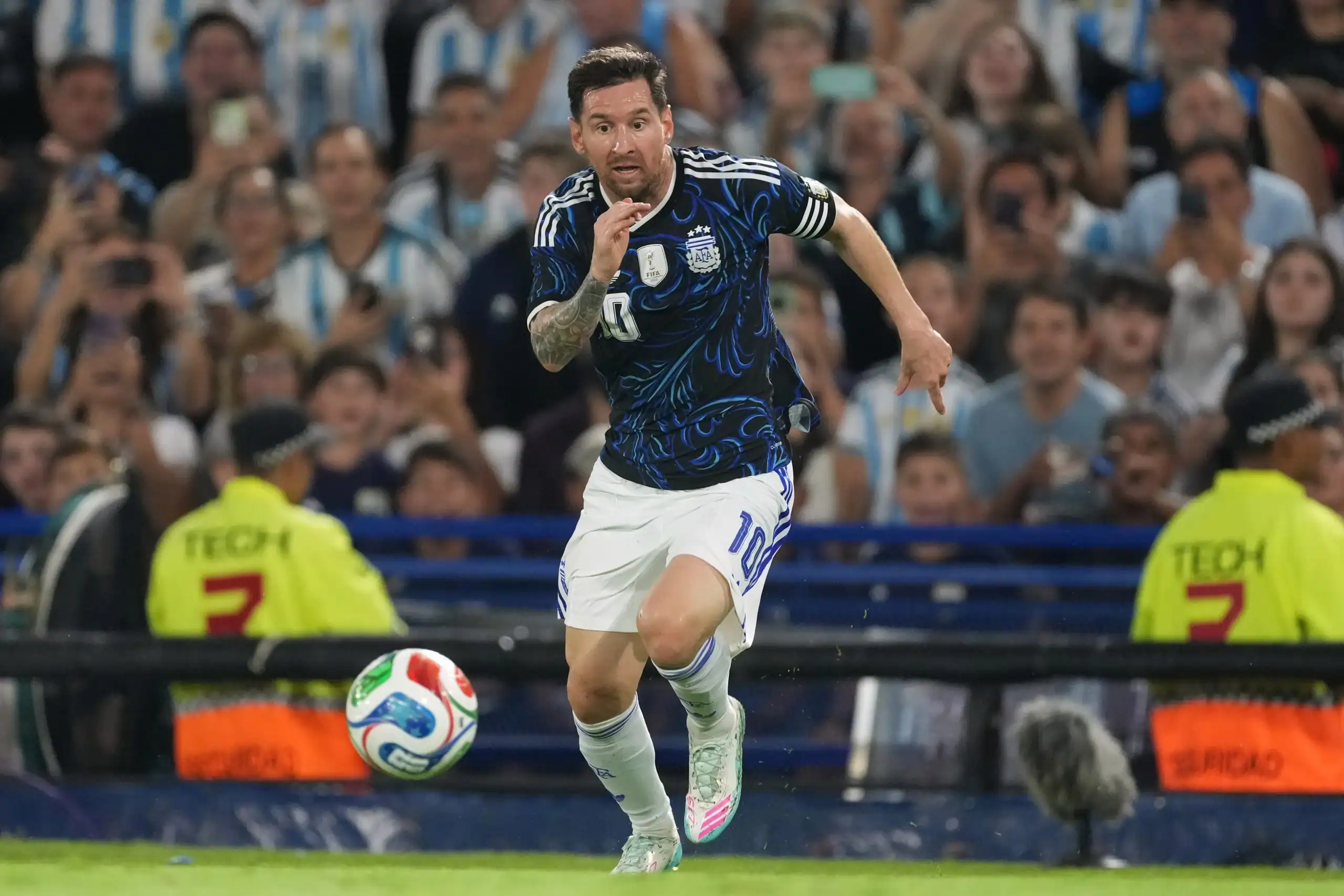
FolioPitch.com – 08 July 2026 | Marco Materazzi, a key figure in Italy’s 2006 World Cup triumph, has stirred debate with a provocative question: Materazzi Would Italy have struggled any less against Cape Verde than Argentina? The former defender posed this query in a recent interview, reflecting on Italy’s continued absence from the World stage and the rise of so-called ‘minnows’ in international football. As Italy watches a third consecutive World Cup from home—despite the tournament’s expansion to 48 teams—Materazzi’s words cut deep for Azzurri fans.
The 2026 World Cup has been a showcase for teams from Africa and Asia, with Cape Verde pushing reigning champions Argentina to extra time in the round of 32. Materazzi, speaking to La Gazzetta dello Sport, argued that Italy, had they qualified, would have faced similar struggles. He asked, Materazzi Would Italy have struggled any less against Cape Verde than Argentina? The implication is clear: Italy’s decline is not just about missing tournaments but about a fundamental drop in quality relative to the rest of the world.
Materazzi’s comments come after Italy failed to qualify for the expanded 48-team World Cup, losing a playoff to Bosnia and Herzegovina. While some have blamed the new qualification format for favoring non-European teams, Materazzi dismissed such complaints. He pointed out that Cape Verde played with tactical discipline and ambition, not merely defending but trying to win. ‘They came onto the pitch not just trying to defend, but to try and win by playing a real game with clear footballing ideas and quality,’ he said. ‘They played to upset like us in 2006, and Germany came to realise that.’
The core of Materazzi’s argument is that Italy’s footballing development has stagnated since their 2006 World Cup victory. ‘We’ve spent that time doing too little more than anything else,’ he lamented. ‘Football didn’t stop in July 2006: We should have run further ahead but instead, we fell behind, and not just because of the players and coaches. It’s a long explanation, and these days it makes me sad to face up to it.’ His sentiment echoes a broader critique of Italian football’s failure to evolve, from youth development to tactical innovation.
By raising the question Materazzi Would Italy have struggled any less against Cape Verde than Argentina, Materazzi forces a reassessment of Italy’s place in the global game. Argentina, after all, needed extra time to overcome Cape Verde, a team ranked 71st in the world. Italy, currently ranked 17th, have not won a knockout match at a major tournament since 2006. Materazzi’s question is not rhetorical; he genuinely believes Italy would have found Cape Verde a tough test. ‘And why was it so difficult against Cape Verde? Because they have clear footballing ideas and quality,’ he reiterated.
This article explores Materazzi’s provocative stance and what it means for Italian football. The phrase Materazzi Would Italy have struggled any less against Cape Verde than Argentina encapsulates the humility that Materazzi believes Italian football must embrace. It is a call for introspection, not excuses.
Italy’s absence from three consecutive World Cups is unprecedented. The 2026 edition, held across the United States, Canada, and Mexico, featured 48 teams, yet Italy could not secure one of the 16 UEFA spots. Materazzi’s critique is particularly sharp because it comes from a World Cup winner. He urges Italy to look at the success of teams like Cape Verde, who despite limited resources, play with belief and organization.
In conclusion, Materazzi Would Italy have struggled any less against Cape Verde than Argentina? The answer, according to Materazzi, is a resounding no. His comments serve as a wake-up call for Italian football: the gap between traditional powers and emerging nations is closing, and Italy must adapt or face continued irrelevance. For now, Italy can only watch and wonder: what if they were in Argentina’s shoes? Materazzi’s words may be painful, but they ring true.
Ahonui Stanford Damar somehow turned a literature degree into a career writing news—maybe because fiction and breaking news both require a healthy dose of imagination. Based in Tangerang since 2011, he balances his journalistic cyn


This website uses cookies to ensure you get the best experience on our website and to comply with privacy regulations (GDPR). By continuing, you agree to our Privacy Policy and Cookie Policy.