


 Eathelyn Loutitia Eufemia July 17, 2026 8:11 pm . 3 min read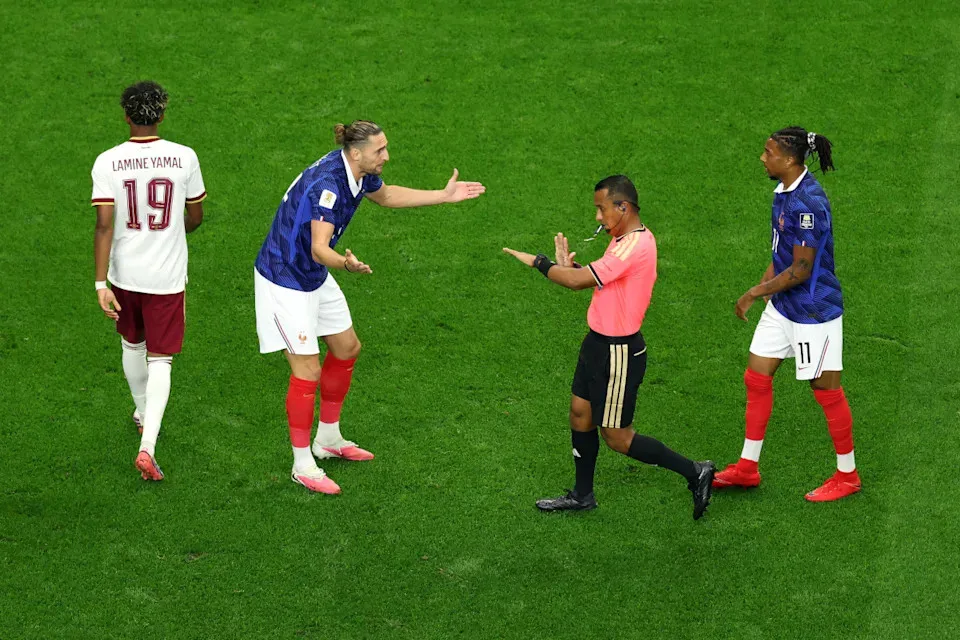
FolioPitch.com – 17 July 2026 | In the aftermath of France‘s shocking 2-0 defeat to Spain in the World Cup semi-final, coach Didier Deschamps has publicly addressed the controversy surrounding his decision to substitute Adrien Rabiot at half-time. The incident, which has dominated headlines in France, saw the Milan midfielder replaced despite being one of the team’s better performers on the pitch. Deschamps responds to Rabiot controversy after France lose World Cup semi final with a detailed explanation of his thought process, aiming to quell the growing criticism from fans and pundits alike.
The defeat ended France’s perfect run in the tournament, as they were the overwhelming favorites to lift the trophy. Deschamps’ choices, particularly his starting lineup and the early substitution of Rabiot, have sparked intense debate. Reports from L’Equipe suggested that the decision frustrated and bemused many within the squad. However, Deschamps was quick to defend his actions during a press conference ahead of the third-place match against England.
“The relationship I have with Adrien and the others… at the first hydration break, he comes over to me and says: ‘I can’t play my normal game anymore,’” Deschamps revealed. “I was a player, so I understand perfectly well. I was in two different semi-finals with a yellow card hanging over my head, and I remember that feeling.” Rabiot had been booked in the first half, and with the risk of a second yellow card looming, Deschamps made the call to substitute him at half-time. This decision, however, has been criticized as overly cautious, especially given that all yellow cards were wiped clean after the quarter-finals. Yet, a red card would have meant a suspension even if France reached the final.
Deschamps explains, “In midfield, the game is wide open, so the threat can come from anywhere. I told him, you can manage it, don’t leave your foot trailing. There was one situation where it was close. I’ve been in those games, I was a shadow of my former self, with this Sword of Damocles hanging over my head. So I deprived myself of a player who was in the best form for that match. It was a risk assessment, half-time was a window of opportunity for substitutions.”
The controversy is not just about Rabiot; Deschamps also faced criticism for starting Aurelien Tchaouameni over Roma’s Manu Kone. Tchaouameni was subbed off later, adding fuel to the fire. However, Deschamps maintains that his decisions were tactical and based on the flow of the game. The coach’s handling of the situation is under scrutiny, and his press conference was an attempt to set the record straight.
As France prepares for the third-place final, the focus shifts to how the team will respond. Deschamps’ leadership is being tested, and his response to the Rabiot controversy will be a key part of the narrative. The controversy surrounding Deschamps responds to Rabiot controversy after France lose World Cup semi final has become a major talking point in French football. Many wonder if the internal discord will affect the team’s performance against England.
In conclusion, while Deschamps’ decision may have been pragmatic, the fallout highlights the high-pressure environment of international tournaments. France’s exit was a shock, and the coach’s explanations will not fully satisfy critics. However, the focus now is on securing a bronze medal and rebuilding for the future. Deschamps responds to Rabiot controversy after France lose World Cup semi final, but the true test will be how the team moves forward.
You know that friend who can tell you the best spot for sambal while also dissecting the latest smartphone specs? That’s Eathelyn Loutitia Eufemia—a Jakarta creative who’s been weaving stories and campaigns since 2012, with one eye on the gadget world and the other on a bowl of soto. She’ll happily chat about design trends over lunch, then pull out her phone to show you the best street food map she’s curated herself.



This website uses cookies to ensure you get the best experience on our website and to comply with privacy regulations (GDPR). By continuing, you agree to our Privacy Policy and Cookie Policy.