


 Demas Zac October 28, 2026 9:52 pm . 5 min read
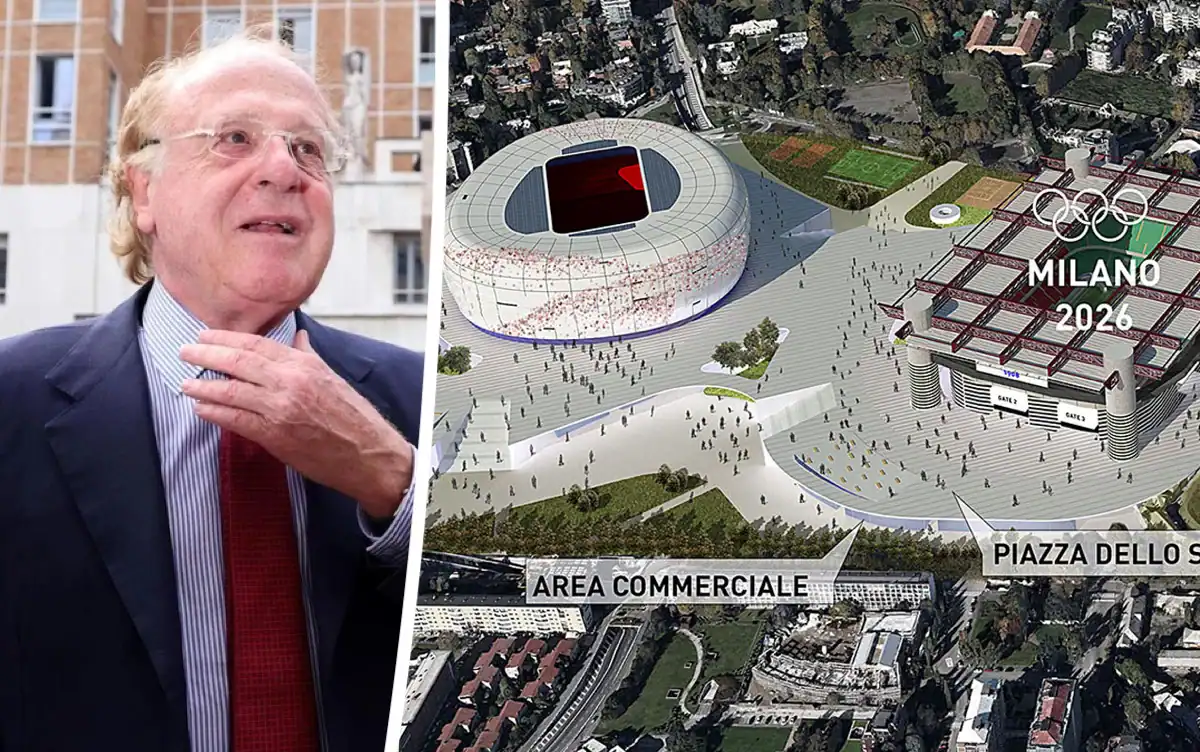
FolioPitch.com – 28 October 2026 | After years of frustration, resistance, and shifting plans, AC Milan president Paolo Scaroni believes the long-awaited turning point for the new San Siro stadium has finally arrived. Speaking at the ‘Il Tempo dello Sport’ conference at Bocconi University in Milan, Scaroni declared that he has dedicated six years of my life Scaroni hopeful stadium turning point has arrived, framing the upcoming project presentation as the culmination of a tireless campaign to modernise the club’s home.
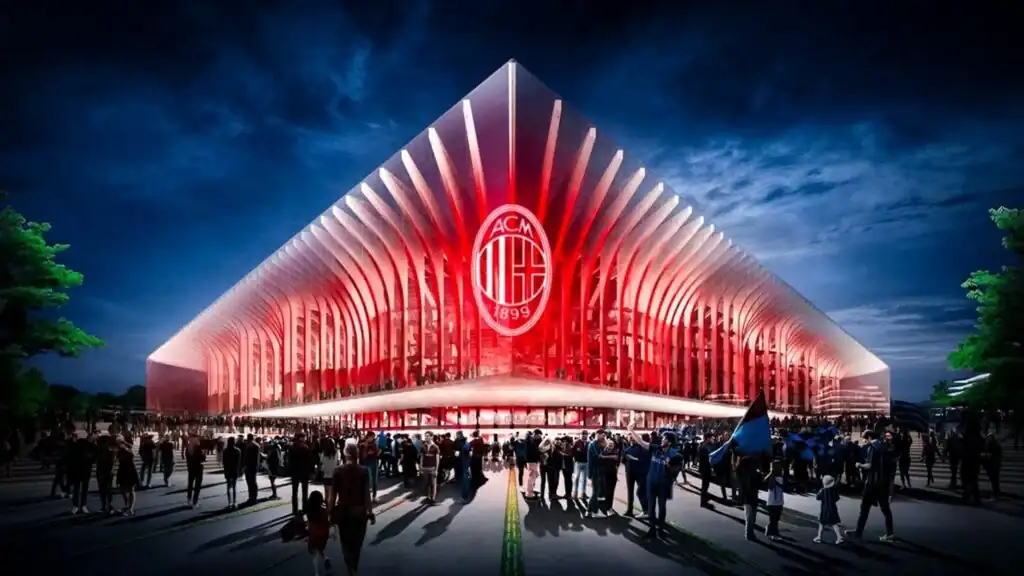
Scaroni’s remarks come on the eve of a pivotal moment: on Thursday 29 October at 16:30 CET, the official presentation of the stadium project will take place at the Palazzo Visconteo at the Sforza Castle. The event is expected to unveil design renderings from renowned architectural firms Foster + Partners and Manica, offering the first concrete glimpse of what a new San Siro could look like. For Scaroni, it is the realisation of a vision he has championed since 2018, when he first argued that the existing stadium could not be renovated.
Reflecting on the early days of the debate, Scaroni recalled the fierce opposition he faced. “I dedicated six years of my life to promoting the new San Siro stadium. It was a long and difficult process,” he said. “When in 2018 I tried to explain that Milan absolutely needed a new stadium and that the San Siro stadium couldn’t be renovated, I encountered a lot of resistance.” He pointed to the logistical impossibility of renovating a venue that hosts two clubs alternating matches every three days in front of 70,000 spectators. “How could a project of this magnitude ever be carried out with this constant influx of people?” he asked.
The resistance, Scaroni explained, was deeply emotional. Critics argued that San Siro represents the “Scala of football,” evoking cherished memories of childhood visits with grandfathers. “There was a strong emotional and nostalgic component,” he acknowledged. “But perhaps, precisely because of such an intimate and almost familial bond, the time had come to turn the page and introduce something new.” This argument gradually gained traction, first among the Milanese public and then within the political class, which slowly aligned with the club’s vision.
The decisive breakthrough came last November, when AC Milan and Inter officially took over San Siro, marking a new chapter in the stadium saga. That moment, Scaroni suggests, was the culmination of a transformation in collective thinking. Now, with the presentation of the Foster + Partners and Manica designs just days away, the president is cautiously optimistic that the project will finally move forward. The journey has been anything but straightforward, with earlier proposals including a move to San Donato and the Hippodrome idea, both of which ultimately gave way to the current plan.
For Scaroni, the upcoming presentation is more than just an architectural reveal; it is a validation of his relentless advocacy. “Dedicated six years of my life Scaroni hopeful stadium turning point has arrived” is not merely a phrase but a summary of his tenure at the helm of the Rossoneri. He has consistently argued that a new stadium is essential for Milan to compete at the highest level in European football, both financially and in terms of fan experience. The current San Siro, while iconic, lacks the modern amenities and revenue-generating capabilities of newer venues across the continent.
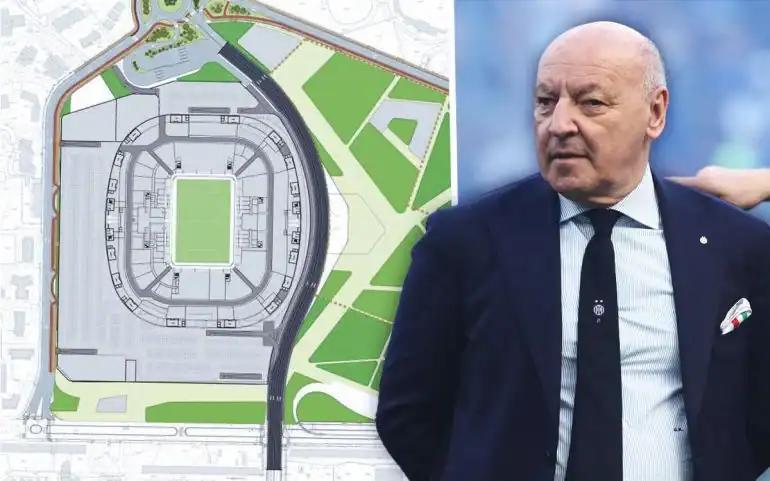
The involvement of Foster + Partners and Manica underscores the ambition of the project. Both firms are known for innovative, sustainable designs that blend functionality with aesthetic appeal. While the renderings are yet to be published, expectations are high that the new stadium will honour the legacy of San Siro while introducing state-of-the-art facilities. The location, adjacent to the existing stadium, is expected to be a focal point of the presentation, with plans for a modern, multi-purpose venue that serves the community year-round.
However, challenges remain. The project must navigate bureaucratic hurdles, environmental concerns, and the need to accommodate both clubs during construction. Scaroni’s optimism is tempered by the reality of these obstacles, but he remains confident that the momentum is now irreversible. “This transformation process has gradually spread to both the Milanese public and the political class, which has gradually aligned itself with our vision,” he noted. “This culminated in the turning point last November, when AC Milan and Inter officially took over San Siro.”
As the city awaits the unveiling, the significance of the moment is not lost on Scaroni. He has often repeated that he dedicated six years of my life Scaroni hopeful stadium turning point has arrived, and now he hopes that the presentation will mark the beginning of a new era for Milan and Inter. The coming weeks will be crucial in determining whether the project can proceed smoothly or face further delays. For now, though, Scaroni is allowing himself a measure of satisfaction. The turning point, he believes, is finally here.
In conclusion, Paolo Scaroni’s six-year campaign for a new San Siro appears to be reaching its decisive phase. With the official presentation set for Thursday, the AC Milan president’s vision of a modern, world-class stadium is closer than ever to becoming reality. While obstacles remain, the alignment of public opinion, political support, and the clubs’ commitment suggests that the turning point Scaroni has long awaited may indeed have arrived. The coming months will reveal whether this ambitious project can deliver on its promise, but for now, the president can reflect on a journey that has tested his resolve and ultimately brought the city to the brink of a new sporting landmark.
From the restless hum of Medan’s newsrooms, Demas Zac forged a writer’s instinct—sharpened by conversations with journalists who treated truth like poetry. Since 2017, he has turned the lens inward, observing how sci-fi dystopias mirror the rhythm of urban streets, finding sparks of hope in concrete corners. His words don’t just narrate; they dare you to see the future hiding in today’s quiet revolutions.


This website uses cookies to ensure you get the best experience on our website and to comply with privacy regulations (GDPR). By continuing, you agree to our Privacy Policy and Cookie Policy.