


 Demas Zac October 30, 2026 11:23 pm . 5 min read

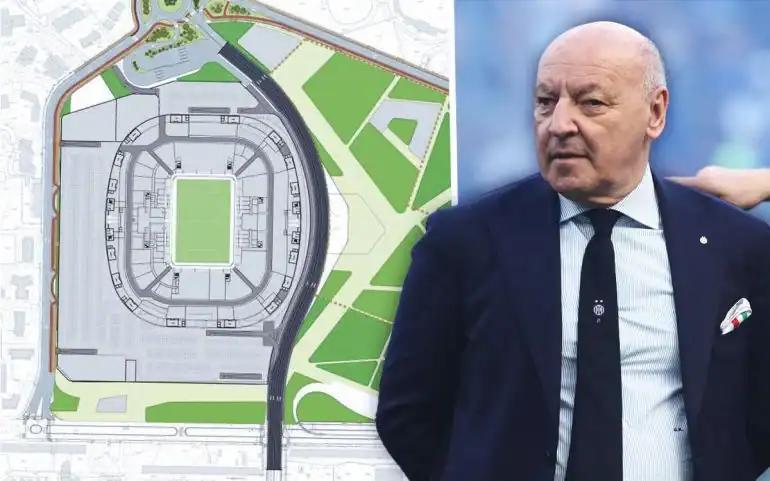
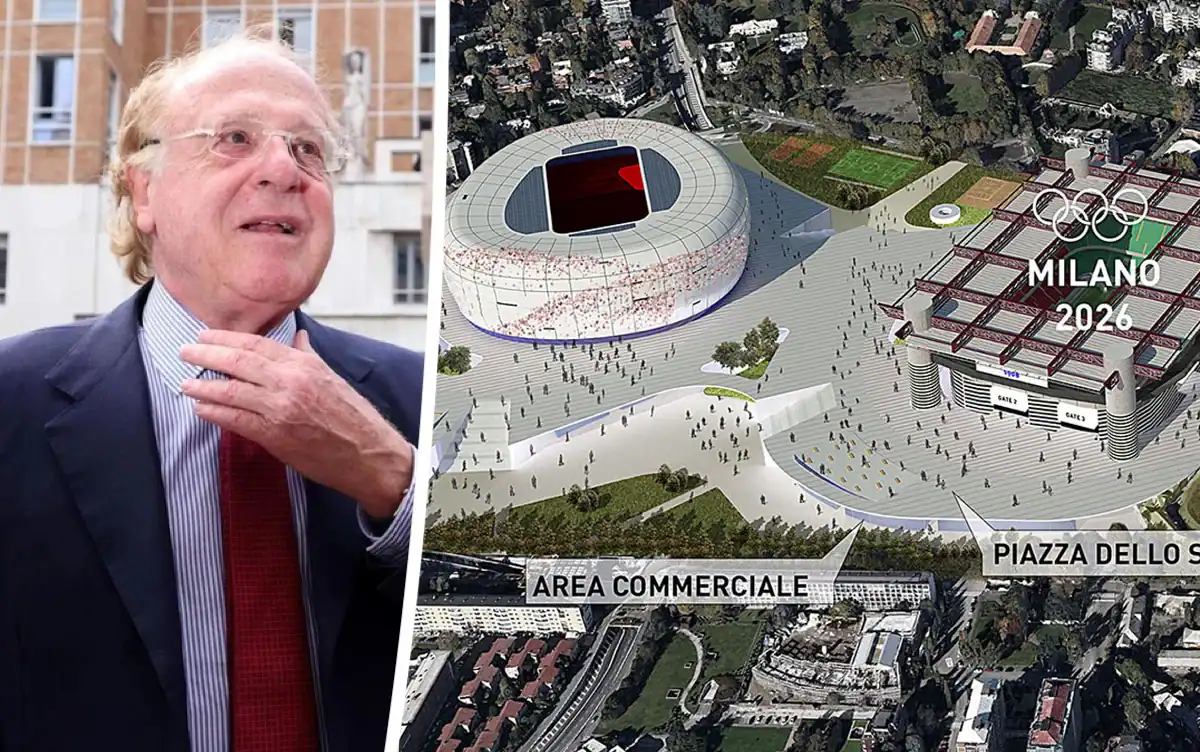
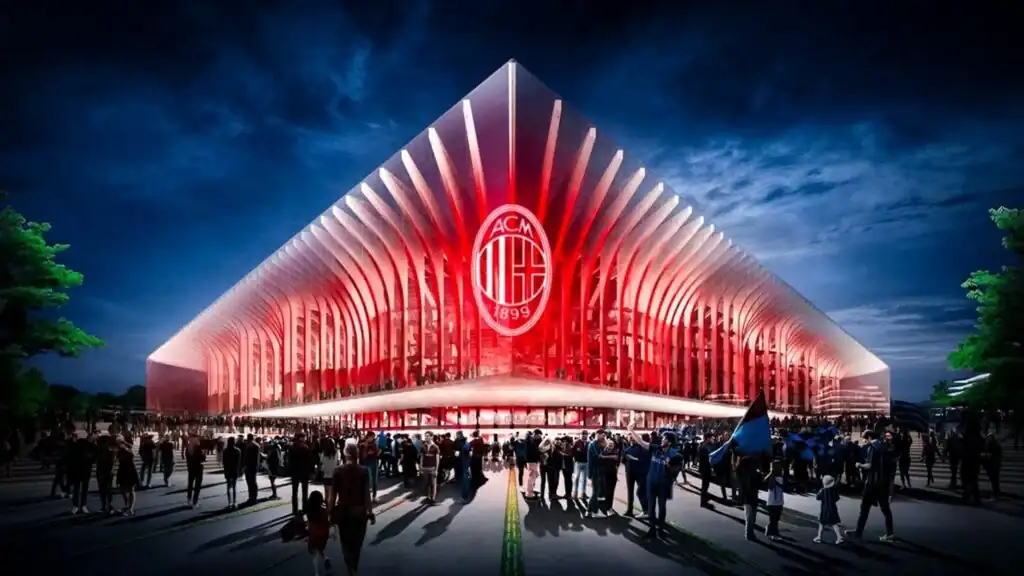
FolioPitch.com – 30 October 2026 | In a move that reshapes the financial landscape of Italian football, AC Milan and Inter Milan have reportedly agreed a landmark €650 million naming rights deal with insurance giant Generali for their new stadium, set to replace the iconic San Siro. The news emerged just as the two clubs unveiled their ambitious stadium project on Tuesday evening, with the Generali name already attached to the futuristic venue. Reports Milan and Inter agree 650m deal with Generali for stadium naming rights the details have sent shockwaves through European football, as the partnership is poised to become one of the most lucrative in the sport.
According to multiple Italian outlets, including MilanNews and Calcio e Finanza, the agreement is valued at approximately €26 million per year over a 25-year term, culminating in the staggering €650m figure. However, The Athletic suggests the deal could be structured over 20 years, which would push the annual value even higher. Either way, the partnership underscores the commercial might of the two Milanese clubs and their determination to maximize revenue from their new home, which is scheduled to open in 2031.
The reported figures place the Generali deal second only to Atletico Madrid’s arrangement with Riyadh Air Metropolitano, which is believed to be worth between €28m and €33m annually. Yet it comfortably surpasses Barcelona’s Spotify deal for Camp Nou (€20m per year), Bayern Munich’s Allianz Arena (€13m), and Borussia Dortmund’s Signal Iduna Park (€11m). If The Athletic’s 20-year projection is accurate, the annual value could exceed even the sponsorship fees paid by Crypto.com and SoFi for the NBA’s Los Angeles Lakers and NFL’s Los Angeles Rams arenas, respectively. Such a comparison highlights the global appeal of the Milan brand and the growing commercial power of Serie A.
The timing of the announcement is notable, as the stadium project was presented to the public with the Generali name already integrated into the design. This pre-existing agreement suggests that the clubs have been working behind the scenes for months to secure a naming rights partner before the project even received final approval. The deal also carries a personal connection: Milan chairman Paolo Scaroni served on Generali’s board of directors from 2007 until 2014, a link that may have facilitated negotiations. While such relationships are common in Italian business, they will inevitably draw scrutiny from fans and analysts alike.
For Milan and Inter, the Generali partnership represents more than just a financial windfall. It signals a new era of stability and ambition for both clubs, which have shared the San Siro since 1926 but have long sought a modern, revenue-generating stadium. The new venue is expected to feature state-of-the-art facilities, increased hospitality options, and a capacity designed to enhance matchday experience while respecting the legacy of the old ground. The €650m naming rights deal will provide a significant boost to the project’s financing, which is estimated to cost over €1 billion.
Reports Milan and Inter agree 650m deal with Generali for stadium naming rights the details have also sparked debate about the future of Serie A’s commercial growth. With Juventus already owning their stadium and Roma and Lazio exploring new venues, the Milan clubs’ move could trigger a wave of infrastructure investment across Italy. The Generali deal, if finalized, would be a clear statement that Italian football can compete with the Premier League and La Liga in terms of sponsorship revenue.
However, questions remain about the exact structure of the agreement. While the 25-year, €26m-per-year figure is widely reported, The Athletic’s 20-year, €650m claim would imply an annual value of €32.5m, which would make it the richest stadium naming rights deal in Europe. The discrepancy may stem from different interpretations of the contract’s duration or potential performance-related bonuses. Neither club nor Generali has officially commented on the specifics, leaving room for speculation until a formal announcement is made.
From a sporting perspective, the deal could give both Milan and Inter greater financial flexibility in the transfer market, helping them retain star players and attract top talent. It also strengthens their position in negotiations with UEFA regarding Financial Fair Play, as the naming rights income will be counted as legitimate revenue. For Generali, the partnership offers unparalleled brand exposure in one of Europe’s most passionate football cities, with the stadium set to host not only Serie A matches but also concerts, events, and potentially Champions League finals.
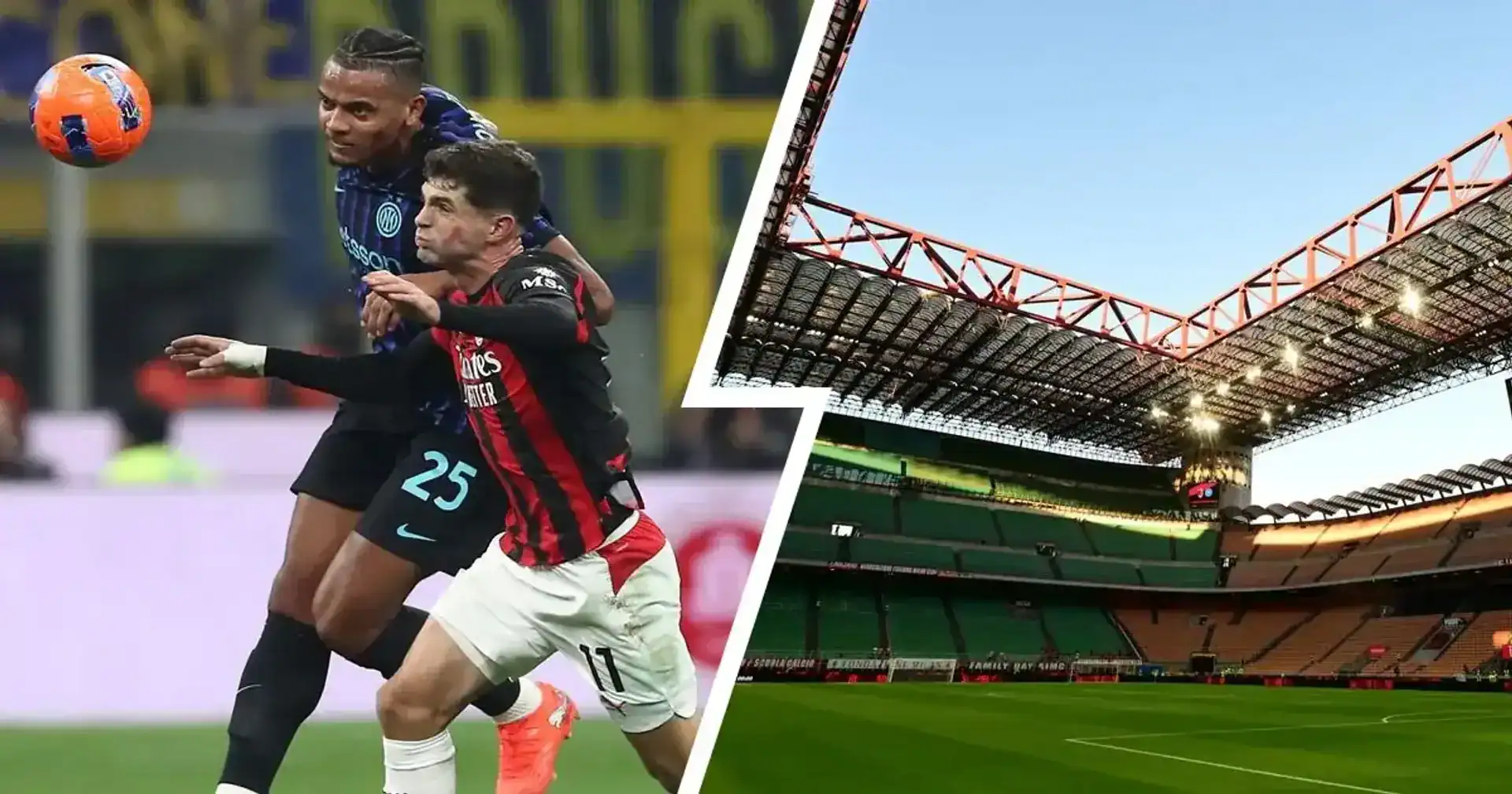
As the project moves forward, fans will be watching closely to see how the new stadium balances modernity with tradition. The San Siro, with its iconic spiral towers, holds a special place in football history, and its demolition will be emotional for many. Yet the promise of a world-class facility bearing the Generali name is a compelling vision for the future. Reports Milan and Inter agree 650m deal with Generali for stadium naming rights the details have certainly captured the imagination of the football world, and the coming years will reveal whether this gamble pays off.
In conclusion, the reported €650m agreement between Milan, Inter, and Generali marks a pivotal moment for Italian football. It demonstrates the commercial potential of Serie A and the determination of its clubs to build for the future. While the exact terms may still be subject to clarification, the deal is a clear signal that the Milanese giants are ready to compete at the highest level both on and off the pitch. As the new stadium rises from the ashes of San Siro, the Generali name will be forever linked to the next chapter of one of football’s greatest rivalries.
From the restless hum of Medan’s newsrooms, Demas Zac forged a writer’s instinct—sharpened by conversations with journalists who treated truth like poetry. Since 2017, he has turned the lens inward, observing how sci-fi dystopias mirror the rhythm of urban streets, finding sparks of hope in concrete corners. His words don’t just narrate; they dare you to see the future hiding in today’s quiet revolutions.

This website uses cookies to ensure you get the best experience on our website and to comply with privacy regulations (GDPR). By continuing, you agree to our Privacy Policy and Cookie Policy.