


 Demas Zac October 29, 2026 9:07 pm . 5 min read
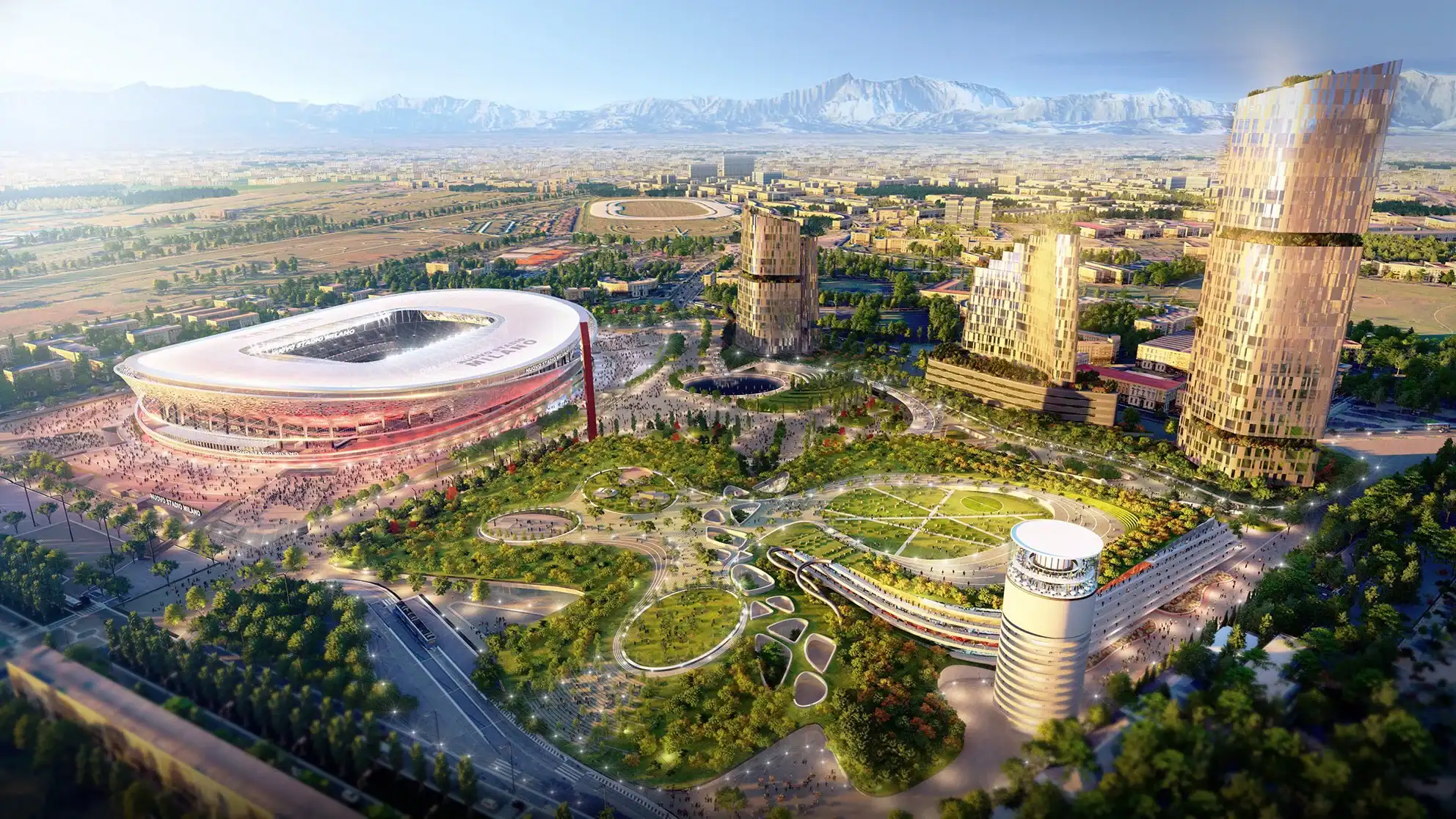
FolioPitch.com – 29 October 2026 | Inter and Milan present new San Siro stadium amid protests and bad scheduling, marking a historic but far from smooth day for the city of Milan. After more than a decade of legal wrangling, the two clubs finally unveiled their long-awaited design for a new stadium on Thursday afternoon, but the press conference at the Sforzesco Castle in the city centre got off to a rocky start. Milan’s top directors were absent, and Inter fans staged a protest outside the venue, casting a shadow over what should have been a celebratory occasion.
The event, attended by around 150 journalists, was scheduled at the same time as Milan’s shareholders’ meeting, forcing the Rossoneri to send Chief Revenue Officer Maikel Oettle and Chief Brand Officer Francesca Montini instead of their senior leadership. Inter were represented by President Beppe Marotta and figures from club owners Oaktree, including Katherine Ralph. The scheduling clash was an embarrassing misstep for a project that has already faced years of delays and bureaucratic hurdles.
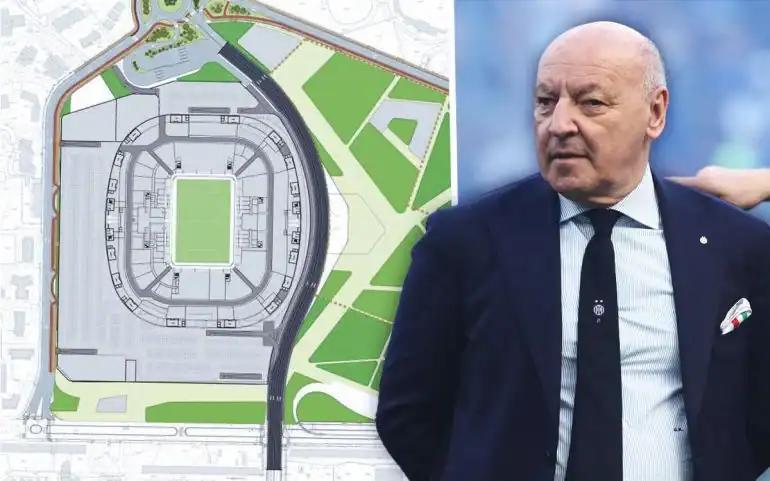
As Inter and Milan present new San Siro stadium amid protests and bad scheduling, the atmosphere outside the castle was tense. A group of Inter supporters gathered with a banner reading ‘Lights at San Siro, you will never switch them off,’ protesting against the ultimate demolition of the Stadio Giuseppe Meazza. The iconic venue, which has been the home of both clubs for generations, will be torn down to make way for the new structure, which will be built on what is effectively the current car park of the Meazza. Technically, the area will still be called San Siro and will feature a lit stadium, but that did little to appease fans attached to the historic ground.
The new project, drawn up by renowned architect Norman Foster, replaces an original design presented a decade ago that is no longer valid. The clubs started from scratch, and the new stadium is reported to hold 71,500 seats. The overall investment is expected to reach €2 billion, a staggering sum that reflects the scale and ambition of the venture. Images of the design are under embargo until this evening, adding to the sense of anticipation and secrecy surrounding the unveiling.
Despite the fan protests and the scheduling fiasco, the presentation represents a significant milestone. For over ten years, the two clubs have navigated a labyrinth of legal challenges, political opposition, and bureaucratic red tape. The fact that Inter and Milan present new San Siro stadium amid protests and bad scheduling underscores the complex reality of modern football infrastructure projects, where sporting ambition often collides with civic sentiment and logistical mishaps.
The absence of Milan’s top brass was particularly notable. The shareholders’ meeting, a scheduled corporate event, could not be moved, but critics argued that the club should have prioritised the stadium presentation, a once-in-a-generation moment. Instead, the Rossoneri’s delegation was left to field questions while their president and CEO were elsewhere. Inter, by contrast, had their president present, but the fan protest outside served as a reminder that not everyone views the demolition of the Meazza as progress.
The new stadium will be built adjacent to the current Meazza, on the site of the existing car park, allowing the clubs to continue playing at San Siro while construction takes place. This phased approach is designed to minimise disruption, but it also means that for several years, the area will be a massive construction site. The Foster design is expected to feature modern amenities, improved sightlines, and a bowl-like structure that pays homage to the original San Siro while offering enhanced fan experience.
As Inter and Milan present new San Siro stadium amid protests and bad scheduling, the clubs face the challenge of winning over sceptical supporters. The banner outside the castle was a clear message that the Meazza’s history and atmosphere cannot be easily replaced. The clubs will need to communicate the benefits of the new project—increased revenue, better facilities, and a world-class venue—while acknowledging the emotional attachment fans have to the old stadium.
The €2 billion investment is a massive commitment, and the clubs will need to secure financing and navigate further regulatory approvals. The project has already cleared several hurdles, but opposition from local groups and political factions remains. The timing of the press conference, coinciding with Milan’s shareholders’ meeting, raised questions about the clubs’ coordination and prioritisation. It was a day that showcased both the ambition and the disorganisation that have characterised this saga.
In conclusion, the unveiling of the new San Siro design is a landmark moment for Inter and Milan, but it is also a reminder of the challenges that lie ahead. The protests from Inter fans and the scheduling conflict that kept Milan’s directors away highlight the delicate balance between progress and tradition. As the clubs move forward with the Foster-designed stadium, they must engage with supporters and ensure that the legacy of the Meazza is honoured. The road to a new San Siro is still long, but for the first time in years, there is a clear vision of what the future holds.
From the restless hum of Medan’s newsrooms, Demas Zac forged a writer’s instinct—sharpened by conversations with journalists who treated truth like poetry. Since 2017, he has turned the lens inward, observing how sci-fi dystopias mirror the rhythm of urban streets, finding sparks of hope in concrete corners. His words don’t just narrate; they dare you to see the future hiding in today’s quiet revolutions.


This website uses cookies to ensure you get the best experience on our website and to comply with privacy regulations (GDPR). By continuing, you agree to our Privacy Policy and Cookie Policy.