

 Ahonui Stanford Damar October 24, 2026 7:38 pm . 4 min read
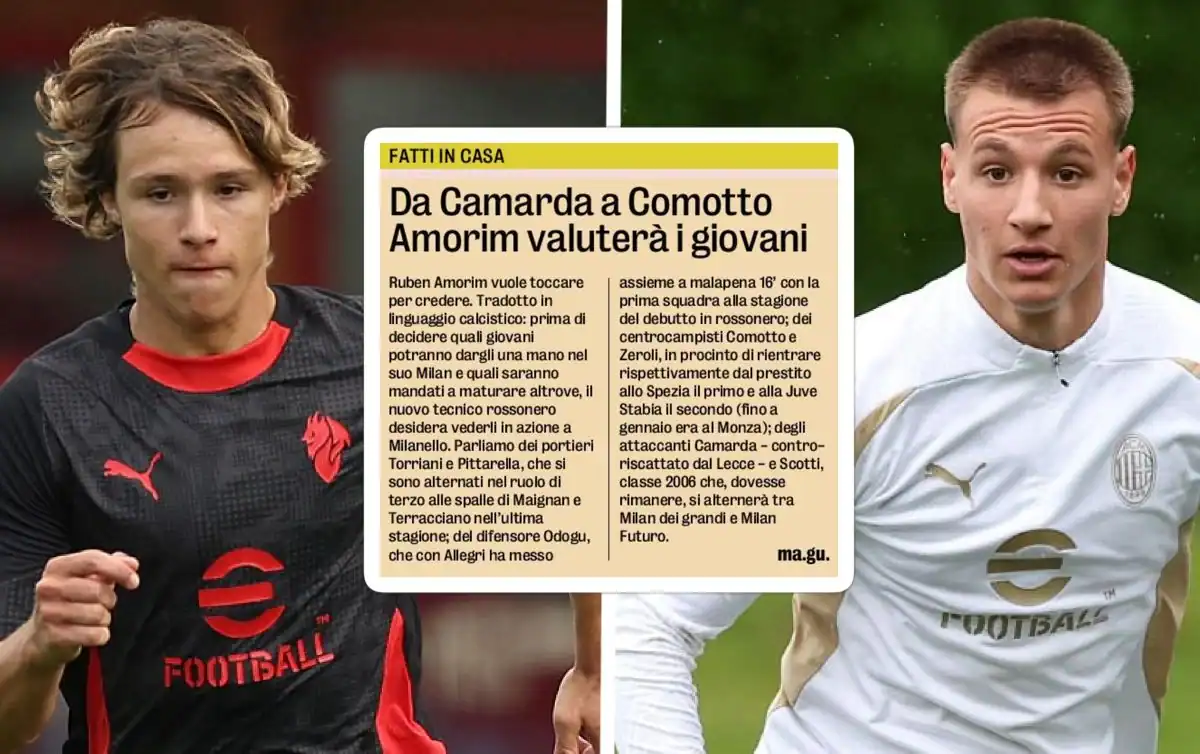
FolioPitch.com – 24 October 2026 | The development of Francesco Camarda at AC Milan has become a growing talking point, and the latest report from La Gazzetta dello Sport has thrust the issue into sharp focus. The GdS Bottom of the pecking order Amorim s management raises difficult Camarda questions headline captures the essence of a dilemma that is troubling both the club’s hierarchy and its supporters. With Christian Comotto’s debut at Bournemouth, Ruben Amorim has now used every member of his squad except Valeri Vladimirov, who remains a resource for Milan Futuro. That statistic underscores the coach’s willingness to rotate, but it also masks a troubling reality for one of Milan’s most prized young talents.
Camarda has accumulated just 69 minutes across ten appearances this season, a meagre return for a player widely regarded as one of the most promising centre-forwards in Italian football. Despite being a natural No.9, he has slipped behind even the ‘false 9s’ in Amorim’s attacking hierarchy. The GdS Bottom of the pecking order Amorim s management raises difficult Camarda questions narrative is not merely about minutes; it is about the broader philosophy of youth development at Milan and whether the current approach is serving the club’s long-term interests.
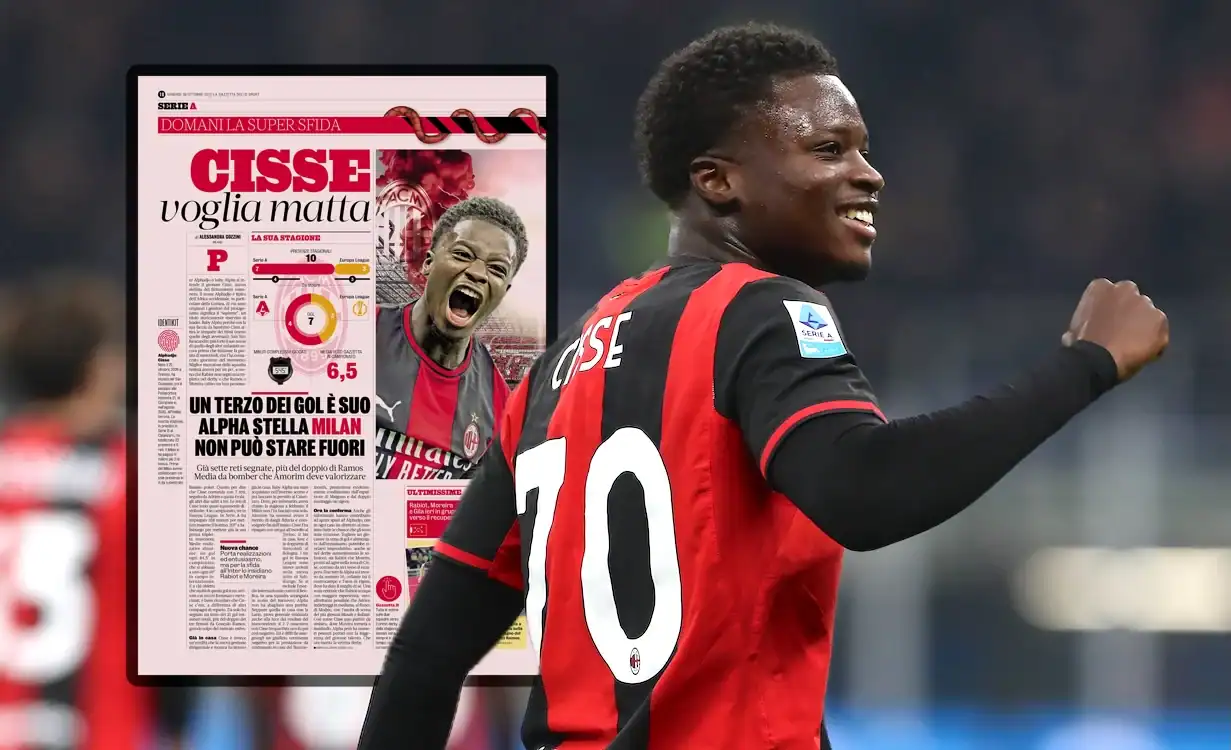
Amorim has 24 outfield players at his disposal, three of whom are sidelined with long-term injuries. With Vladimirov essentially a shuttle player between the first team and the Futuro, the effective squad is reduced to 20 players for two competitions and a congested schedule. Yet Camarda remains on the periphery. After the Bournemouth match, Amorim attempted to explain his selection choices: “Why Cisse and not Camarda? I analysed the structure and the defensive style of their central defenders, and I believe Cisse has the best qualities to break them down. Moreover, he’s already played this role in the Under-21s, so for me, he’s the right choice for this specific match.”
That explanation may satisfy some, but it does little to quell the unease surrounding Camarda’s stagnation. The GdS Bottom of the pecking order Amorim s management raises difficult Camarda questions debate is intensified by the fact that Gonçalo Ramos, before missing the Bournemouth trip, had logged 744 minutes of the 810 available. Ramos has three goals and one assist to his name, but Milan’s attack has been inconsistent, oscillating between brilliance and frustration. Ahead of the Udine fixture, it remains unclear who will lead the line. Ramos has recovered from a calf problem and is a candidate to start, but Amorim may opt for caution and hand Camarda a rare opportunity.
Even if Camarda does feature against Udine, the scenario would change only marginally. The fundamental question remains: is 69 minutes in ten games the right path for a player of his calibre, especially after an equally questionable loan spell at Lecce last season? The squad has been deliberately kept short to allow younger players to gain space, as Amorim himself has stated. But with plenty of games left, the question is poignant: if Camarda is not playing now, when will he?
The GdS Bottom of the pecking order Amorim s management raises difficult Camarda questions issue also raises broader concerns about Milan’s youth policy. The club has invested heavily in developing young talent, and Camarda is often cited as the crown jewel of the academy. Yet his lack of playing time risks stunting his growth and diminishing his market value. For a club that prides itself on nurturing homegrown stars, the current situation appears increasingly contradictory. Amorim’s rotation policy has been praised for keeping the squad fresh, but it has also created winners and losers. Camarda, unfortunately, finds himself firmly in the latter category.
As Milan prepare for a crucial stretch of the season, the pressure on Amorim to justify his management of Camarda will only intensify. The GdS Bottom of the pecking order Amorim s management raises difficult Camarda questions headline is a reminder that every decision at a club of Milan’s stature is scrutinised. For now, Camarda waits. His talent is undeniable, but opportunity is scarce. The coming weeks will reveal whether Amorim’s approach is a calculated gamble or a costly oversight. One thing is certain: the debate over Camarda’s future is far from over.
Ahonui Stanford Damar somehow turned a literature degree into a career writing news—maybe because fiction and breaking news both require a healthy dose of imagination. Based in Tangerang since 2011, he balances his journalistic cyn

This website uses cookies to ensure you get the best experience on our website and to comply with privacy regulations (GDPR). By continuing, you agree to our Privacy Policy and Cookie Policy.