


 Sheridan Olubayo Sheridan August 2, 2026 2:12 am . 4 min read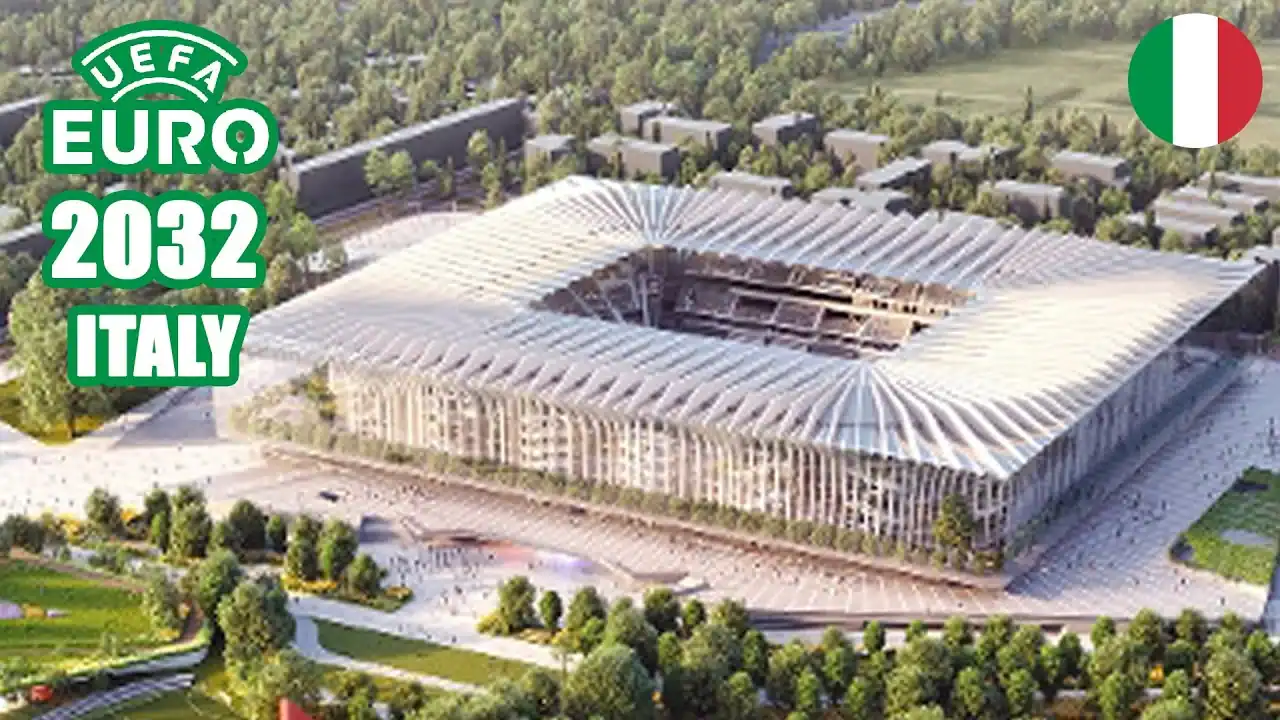
FolioPitch.com – 02 August 2026 | The declaration that ‘Abodi EURO 2032 will change face of Italian football with 4 5 billion investment’ has sent ripples through the sporting world. Italy’s Minister for Sport and Youth, Andrea Abodi, made it clear that the country’s co-hosting role for the 2032 European Championship is not merely a tournament, but a catalyst for an unprecedented infrastructural revolution. With 13 cities and 16 stadium projects in the pipeline, backed by €4.5 billion in private funding, the face of Italian football is set to undergo a historic transformation.
Speaking at a recent event, Abodi emphasized that the scale of stadium development currently underway has never been seen before in Italy’s history. For decades, many Italian arenas have relied on patchwork renovations of structures originally built for the 1990 World Cup. The 2032 Euros, co-hosted with Turkey, provide a firm deadline for authorities to modernize and create venues that meet contemporary standards of comfort, accessibility, and sustainability.
Abodi’s vision is clear: ‘Our objective is to reach EURO 2032 with stadiums that are modern, welcoming, functional, and sustainable, improving the cities that host them.’ This is not just about football; it is about urban regeneration and leaving a lasting legacy for communities across the nation. The government, led by Prime Minister Giorgia Meloni, has worked closely with the Italian Football Federation (FIGC) to streamline the notoriously complex approval processes for new stadium projects, including the appointment of a dedicated commissioner to expedite matters.
The early stages of this ambitious plan were unveiled with the submission of a preliminary list of 13 candidate cities and 16 stadiums to UEFA. Notably absent from the list are Bergamo and Udine, whose existing stadiums are among the most modern in the country. Interestingly, Rome has put forward three potential venues, including the existing Stadio Olimpico and two new projects that are still in the planning phase. Cagliari’s new stadium also remains on the drawing board, as does the proposed replacement for San Siro in Milan, which is being developed by Inter and Milan. Palermo, now under the ownership of the City Football Group, is also seen as a strong contender due to its ambitious infrastructure plans.
Here is a breakdown of the proposed host cities and stadiums:
While this list represents a broad ambition, the final decision will be made by UEFA in October, when the FIGC presents its definitive candidates, including reserves. Abodi remains confident that the private investment will be matched by the necessary political will to overcome the remaining hurdles. He described the process as an ‘epoch-making transformation’ that Italian football has long deserved.
The impact of these investments extends beyond the stadium walls. New arenas are expected to boost local economies, create jobs, and encourage a more family-friendly atmosphere at matches. The knock-on effects for Italian clubs, which have struggled to compete financially with their European rivals, could be significant, as modern facilities open up new revenue streams through hospitality, retail, and events.
As the countdown to EURO 2032 begins, the promise behind the notion that ‘Abodi EURO 2032 will change face of Italian football with 4 5 billion investment’ grows ever more tangible. For the minister, this is not a catchphrase but a roadmap. The upcoming months will be critical as final plans are submitted and construction projects break ground, but Abodi’s message is one of optimism and determination. He insists that the government is fully committed to delivering a tournament that will not only showcase Italy’s footballing heritage but also redefine its future.
Ultimately, the legacy of EURO 2032 may well be measured not only by the trophies lifted or the matches played, but by the modern, sustainable, and inclusive stadiums that rise from the drawing boards. Abodi’s assertion that ‘Abodi EURO 2032 will change face of Italian football with 4 5 billion investment’ encapsulates a national project that aims to reset the standard for sports infrastructure in Italy. The road ahead is long, but the direction is set: a new era for Italian football, built on a foundation of brick, mortar, and vision.
You know that friend who can spend hours debating campus politics, then turn around and dissect the latest smartphone like a tech reviewer? That’s Sheridan Olubayo Sheridan—a former student activist from Surabaya who’s been juggling social media critiques and gadget obsessions since 2009, often in the same breath.


This website uses cookies to ensure you get the best experience on our website and to comply with privacy regulations (GDPR). By continuing, you agree to our Privacy Policy and Cookie Policy.