


 Sheridan Olubayo Sheridan July 31, 2026 5:54 am . 4 min read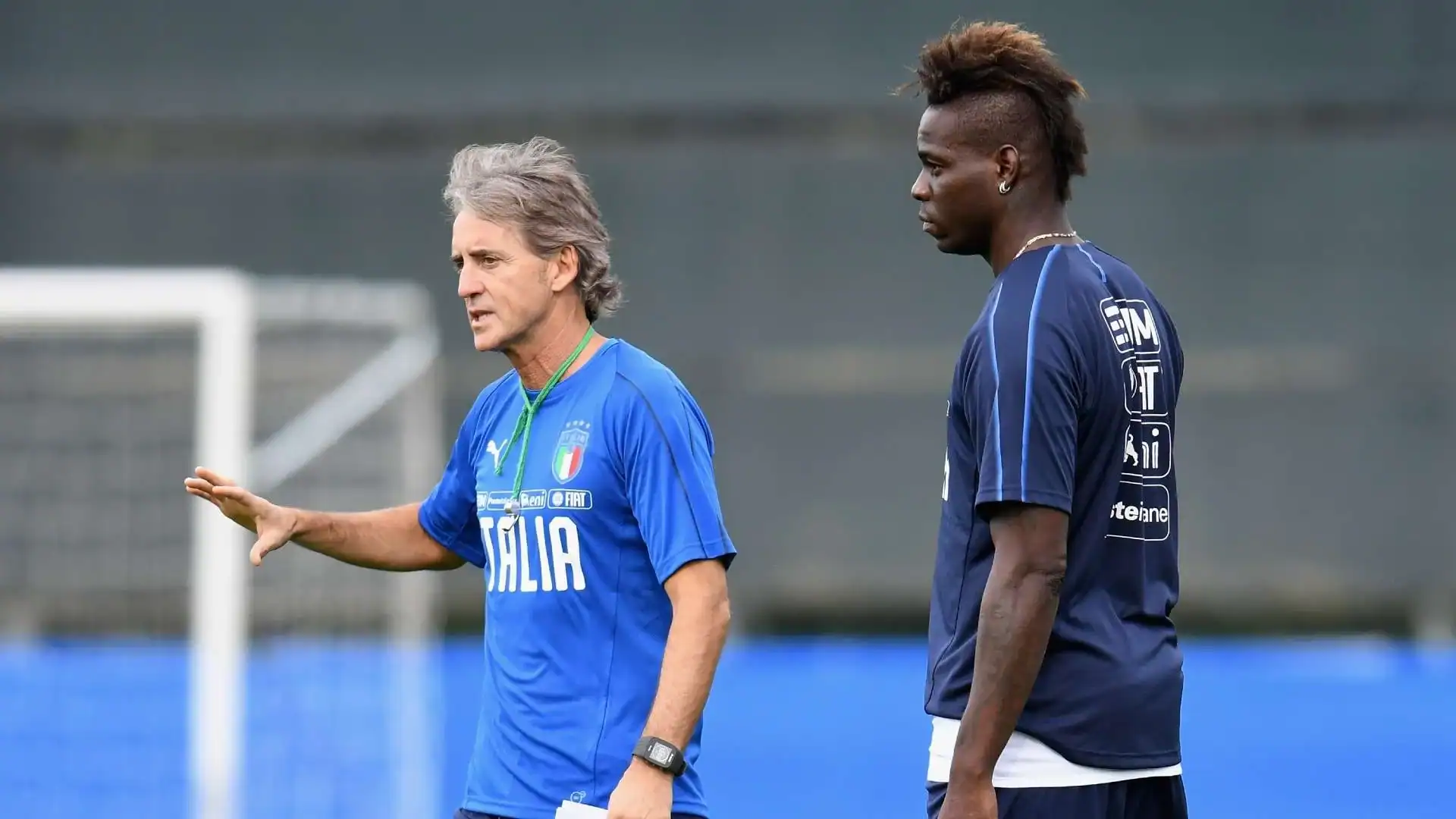
FolioPitch.com – 31 July 2026 | The football world is watching closely as the debate over Altobelli questions Mancini s Italy return Too late for apologies continues to stir emotions among Italian fans and pundits alike. Alessandro Altobelli, a hero of Italy’s 1982 World Cup triumph, has become the latest voice to challenge the decision to bring Roberto Mancini back as head coach of the Azzurri. His words, sharp and unapologetic, reflect a growing unease with the manner in which the former Inter and Man City boss has been welcomed back into the fold.
Mancini left his post as Italy’s coach in August 2023, a decision that shocked the nation. Just two weeks later, he accepted a lucrative offer to manage Saudi Arabia‘s national team, a move that many perceived as a betrayal of the Italian football federation and its supporters. Now, with the Azzurri struggling to find consistency under previous management, the federation has turned back to Mancini, hoping his tactical acumen can restore the team’s former glory. But for Altobelli, the reunion is anything but straightforward.
In an interview with Repubblica, relayed by CalcioMercato, Altobelli acknowledged Mancini’s credentials while refusing to overlook the circumstances of his departure. “Mancini is an exceptional coach, he could manage any team, all the big national sides,” Altobelli said. “I even wrote to him, I sent him a message of congratulations and wished him well. But there’s that stain.” The stain, as the former striker describes it, is not merely the move to Saudi Arabia but the perception that Mancini abandoned Italy at a critical time and then tried to make amends only after the fact.
Altobelli questions Mancini s Italy return Too late for apologies may sound like a headline, but for the 1982 World Cup winner, it is a deeply personal conviction. He made it clear that no amount of gestures or public statements could erase the past. “It’s too late for apologies, I’m sorry,” he asserted. “This isn’t about me, the national team belongs to everyone. I don’t know whether the fans will forgive him.” This sentiment resonates with a segment of the fanbase that still feels disillusioned by Mancini’s abrupt exit.
Beyond the personal disappointment, Altobelli aimed a pointed dig at the network of connections that facilitated Mancini’s return. He referenced the Aniene, an exclusive sporting club in Rome, suggesting that proximity to power often matters more than coaching merit. “If I wanted to be a coach, I’d sign up to the Aniene,” he quipped. “I’d advise all young coaches to do the same. I’m not talking about cronyism… The problem is the method, how you get there. But in Italy that’s how it works, we know it.” The remark was directed at the ties between Mancini, FIGC president Giovanni Malagò, and new technical director Claudio Ranieri, all of whom are rooted in the same Roman football circles.
Altobelli was careful to avoid questioning the individual merits of these figures. He instead focused on the process that allowed Mancini to return so swiftly after his perceived desertion. “I didn’t understand this decision,” he said, referring to Ranieri’s unexpected acceptance of the technical director role. “But I accept it.” This acceptance, however, does not translate into support for the move. The uncertainty surrounding the team’s leadership continues to cloud preparations for upcoming international commitments.
In every corner of the debate, Altobelli questions Mancini s Italy return Too late for apologies remains the central theme. The striker’s unwavering stance highlights a generational divide in how national team loyalty is perceived. For older fans who remember the passion and dedication of players like Altobelli, Mancini’s actions might seem unforgivable. For younger supporters, results on the pitch may outweigh personal grievances. Yet, Altobelli’s words carry weight precisely because they come from a man who understands what it means to wear the Azzurri shirt with pride and honor.
The Italian football federation now faces the challenge of healing a fractured relationship between the coach and the public. Mancini’s return was meant to bring stability, but it has instead reopened old wounds. Whether he can win back the hearts of the fans remains to be seen. Altobelli questions Mancini s Italy return Too late for apologies, and he fears the damage may be irreversible. As the team prepares for its next matches, the shadow of this controversy looms large. For now, the Italian football community is left to ponder whether forgiveness is possible or whether some actions are indeed beyond redemption.
In the end, the story is not just about Mancini or Altobelli. It is about what it means to represent a nation and the trust that players and coaches must earn. The echoes of 1982 still resonate, and Altobelli’s words serve as a reminder that some values cannot be bought or negotiated.
You know that friend who can spend hours debating campus politics, then turn around and dissect the latest smartphone like a tech reviewer? That’s Sheridan Olubayo Sheridan—a former student activist from Surabaya who’s been juggling social media critiques and gadget obsessions since 2009, often in the same breath.


This website uses cookies to ensure you get the best experience on our website and to comply with privacy regulations (GDPR). By continuing, you agree to our Privacy Policy and Cookie Policy.