


 Sheridan Olubayo Sheridan August 1, 2026 2:10 pm . 4 min read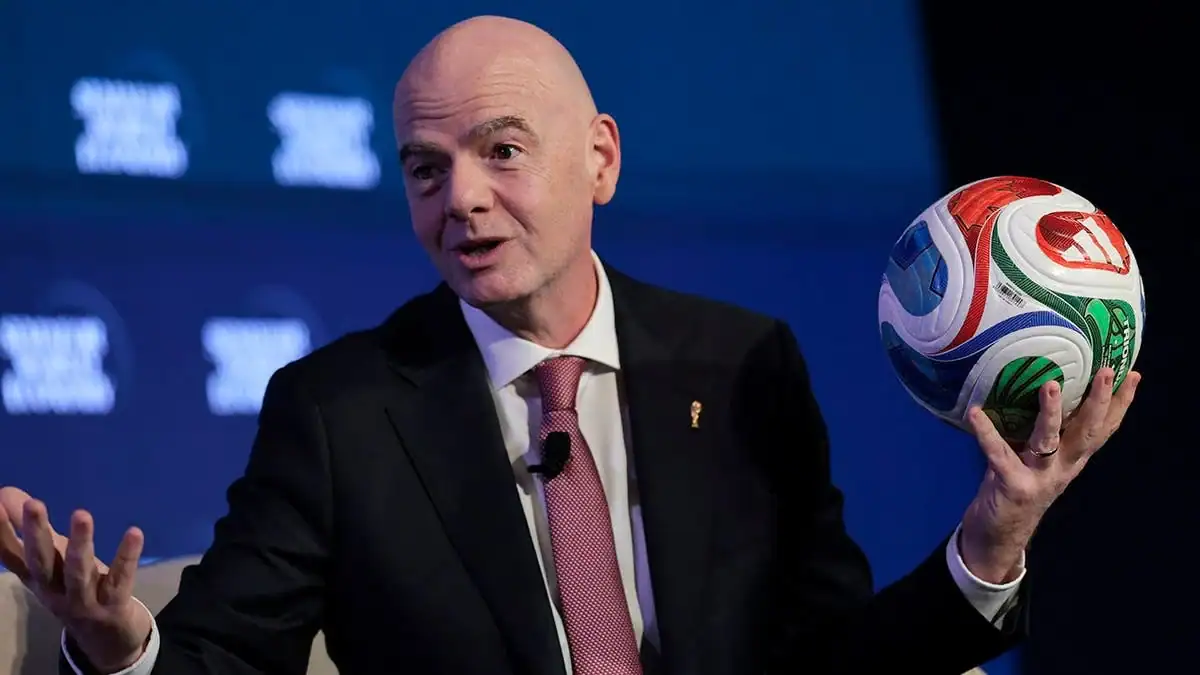
FolioPitch.com – 01 August 2026 | The football world is still digesting the dramatic reversal by FIFA, but the fallout has been swift and severe. In a strongly worded official statement, UEFA welcomes FIFA U-turn but says Infantino has failed to deliver on the core promises that defined his presidency. The decision to abandon the controversial plan to sell a minority stake in the World Cup has averted a potential crisis, yet it has opened a new chapter of institutional conflict between world football’s governing body and its most powerful confederation.
UEFA’s statement was unequivocal, praising the collective resistance that forced FIFA’s retreat while simultaneously launching a blistering attack on President Gianni Infantino. The proposed scheme, which would have seen private investors acquire roughly 20% of a new commercial entity valued at $20 billion, was met with unprecedented opposition. According to UEFA, the plan was unanimously rejected by its 55 member associations, including Italy’s FIGC, as well as federations of every size across the globe.
The proposal, which aimed to raise approximately $4.2 billion from a group fronted by Joshua Kushner, triggered an extraordinary revolt. European nations threatened to boycott the World Cup, while confederations in North America and Asia voiced their disapproval. Even a senior adviser to Infantino, Carlos Cordeiro, resigned in protest before the president finally backed down on Friday evening.
Italian football stood at the forefront of the criticism. Juventus chief executive Giovanni Carnevali had stated earlier in the week that all 55 UEFA federations opposed FIFA’s direction. His pointed remark, “I like things done cleanly,” echoed the growing sentiment that the governance of world football had strayed from its foundational principles.
UEFA thanked those who had shown the FIFA president that “football is not for sale,” before sharpening its tone considerably. The statement read: “We cannot keep going on like this with secret schemes on fast track timescales, cooked up by faceless individuals and of dubious benefit to the game.” It demanded that those responsible for the proposal be identified and held to account.
This episode underscores a profound rupture in trust. UEFA asserts that the current FIFA leadership has lost not only its confidence but also that of many other members of the football family. The manner in which the proposal was crafted and pushed forward was, in UEFA’s view, as damning as the substance itself.
UEFA’s statement reached back to Infantino’s 2016 election platform, when he pledged transparency and famously told associations that “the money of FIFA is your money,” intended to serve the development of football globally. UEFA’s verdict on those promises is blunt and damning: “On both these promises, he has failed to deliver.” With FIFA’s reserves standing above $5 billion, UEFA argues that the money has been left idle rather than invested in the grassroots game it was meant to nurture.
In a proactive move, UEFA announced it would immediately propose a new way of distributing resources through FIFA’s existing Forward programme. It insisted there was no need to “sell off the family silver” to fund development across FIFA’s 211 member nations. The outcome, UEFA says, is “a victory for the whole game,” but it warns that “the task of rebuilding trust in FIFA has only just begun.”
The implications of this standoff extend far beyond a single rejected business plan. It signals a fundamental renegotiation of power dynamics within international football. UEFA’s firm stance, backed by widespread global opposition, demonstrates that the sport’s governance cannot be dictated from Zurich alone. The European confederation has positioned itself as the guardian of football’s traditional values, resisting what it views as the commodification of the game by outside interests.
As the dust settles, the relationship between FIFA and UEFA stands at a crossroads. The immediate crisis has been averted, but the underlying tensions remain unresolved. Infantino’s leadership has been severely weakened, and his promise of transparency now rings hollow to many. UEFA’s demand for accountability and a new distribution model will likely set the agenda for future negotiations.
In conclusion, the battle over FIFA’s investment plan has become a watershed moment for football governance. UEFA welcomes FIFA U-turn but says Infantino has failed to deliver, and this stance resonates across confederations and clubs alike. While the World Cup remains the sport’s crown jewel, its stewardship has been called into question. The path forward requires genuine dialogue, transparency, and a commitment to the game’s grassroots. For now, the football family has spoken clearly: the beautiful game is not for sale, and its custodians must answer to its members, not to private investors.
You know that friend who can spend hours debating campus politics, then turn around and dissect the latest smartphone like a tech reviewer? That’s Sheridan Olubayo Sheridan—a former student activist from Surabaya who’s been juggling social media critiques and gadget obsessions since 2009, often in the same breath.


This website uses cookies to ensure you get the best experience on our website and to comply with privacy regulations (GDPR). By continuing, you agree to our Privacy Policy and Cookie Policy.