


 ROZÁLIA Kiandria June 29, 2026 2:14 pm . 3 min read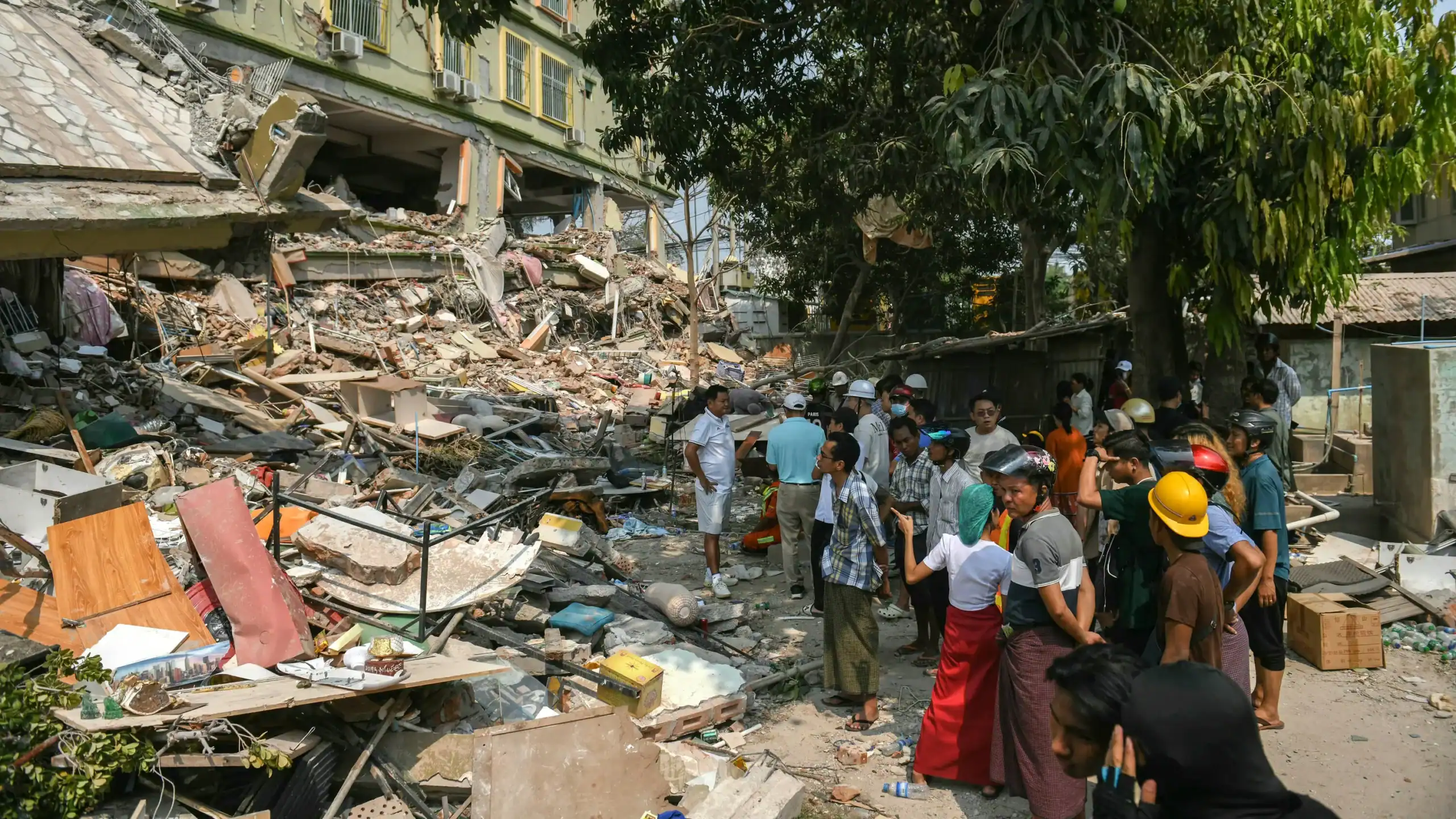
FolioPitch.com – 29 June 2026 | In a shocking twist to the devastating twin earthquakes that struck Venezuela last week, Venezuela earthquake rescuers discover collapsed buildings were ‘held up by Styrofoam’, raising serious questions about construction standards in the disaster-stricken nation. The revelation came as emergency teams from multiple countries continued to dig through rubble in coastal towns like La Guaira and Catia La Mar, where entire apartment blocks pancaked into piles of concrete, metal, and now-identified Styrofoam debris.
“We expected to find rebar and concrete, but instead we found sheets of Styrofoam used as filler in structural columns,” said a spokesman for the Mexican rescue team on Monday. “It’s a miracle anyone survived.” The back-to-back quakes of magnitude 7.2 and 7.5 struck within 39 seconds, collapsing nearly 800 buildings and killing at least 1,450 people, according to interim President Delcy Rodríguez. Thousands more remain missing, and the UN estimates up to 50,000 people are unaccounted for.
The use of Styrofoam as a cheap building substitute has been a known issue in Venezuela’s construction sector, but the scale of the disaster has brought it to global attention. Venezuela earthquake rescuers discover collapsed buildings were ‘held up by Styrofoam’ in at least a dozen structures examined so far, including a nine-story apartment block in Caraballeda where a father and his teenage son were pulled alive after 106 hours. The boy, identified as Aaron Levi Cantillo Vargas, 21, was rescued by an international team using advanced listening devices.
Despite the grim findings, rescue operations have seen moments of hope. Over the weekend, 33 survivors were extracted from the rubble, including two 11-year-old boys—one named Moises—who were found trapped beneath heavy slabs. “Every person saved is a miracle,” said National Assembly President Jorge Rodríguez. However, for many families, the wait continues. Andreina Valerio, whose nearly two-year-old son Santiago remains trapped with her partner and in-laws under a collapsed building in La Guaira, said she could hear a baby crying from the debris. “I still have faith my son is alive,” she told reporters.
The death toll is expected to rise as rescuers enter “critical hours” after the 72-hour survival window has passed. An aftershock of magnitude 4.6 struck near Caracas on Monday, causing no further damage but rattling nerves. Meanwhile, an explosion at a state-run PDVSA oil rig in Apure state injured eight workers, adding to the country’s woes. International aid has arrived, with the Netherlands dispatching the patrol vessel HNLMS Groningen to provide drinking water, and teams from the US, Mexico, Spain, and El Salvador assisting in searches.
The discovery of Styrofoam in structural elements has prompted calls for an investigation into corrupt construction practices. Venezuela earthquake rescuers discover collapsed buildings were ‘held up by Styrofoam’, and officials are now examining whether building codes were deliberately bypassed to cut costs. “This is not just a natural disaster; it’s a man-made tragedy,” said an engineer working with the French rescue team. As the nation mourns, the focus remains on finding survivors. But for many, the image of Styrofoam infill where steel and concrete should have been will forever haunt the memory of this catastrophe.
In conclusion, while the immediate priority is saving lives, the long-term reckoning over substandard construction fueled by economic desperation will define Venezuela’s recovery. The question now is whether the government will hold accountable those responsible for building with materials that cannot withstand even moderate seismic activity, let alone one of the strongest quakes in the country’s recorded history.
Between the glow of streetlights and the silent poetry of star charts, ROZÁLIA Kiandria began capturing urban rhythms as a hobby blogger in Semarang in 2019—each post a constellation of city whispers and cosmic wonder. She now weaves tales where traffic hums meet the quiet breath of galaxies, inviting readers to find their own orbit in the chaos of modern life.




This website uses cookies to ensure you get the best experience on our website and to comply with privacy regulations (GDPR). By continuing, you agree to our Privacy Policy and Cookie Policy.