


 Ahonui Stanford Damar October 26, 2026 11:23 pm . 5 min read

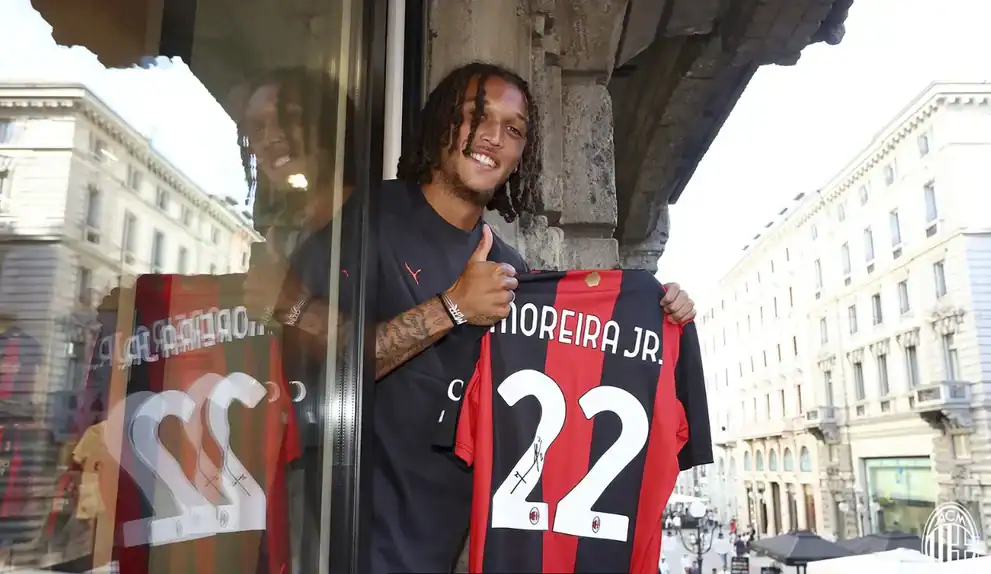
FolioPitch.com – 26 October 2026 | Massimo Ambrosini has launched a scathing critique of AC Milan‘s handling of teenage striker Francesco Camarda, insisting the club’s decision to keep him at San Siro this season could stunt the growth of one of Italy’s brightest prospects. Speaking on DAZN, the former Milan midfielder used the example of Nicolo Tresoldi to illustrate his point, and in doing so, Ambrosini questions Milan’s Camarda handling with Tresoldi comparison, sparking a fresh debate over the club’s youth development strategy.
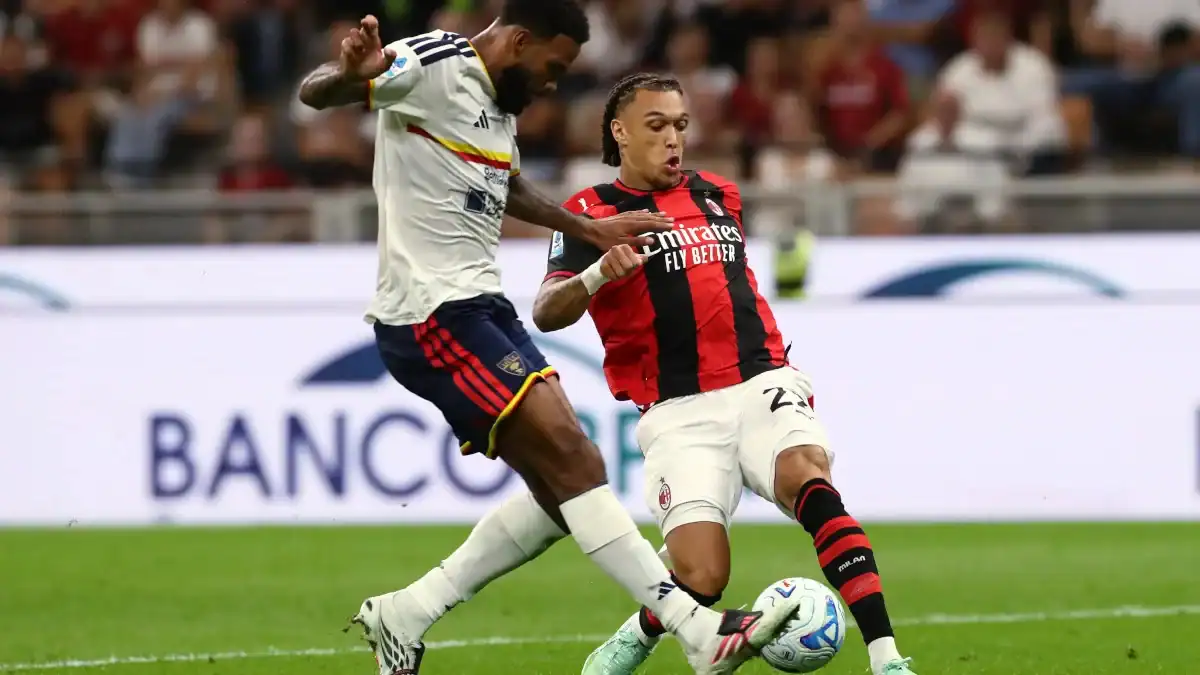
Camarda, who has long been regarded as one of the most promising talents in Italian football, has found first-team opportunities desperately hard to come by under manager Ruben Amorim. The Portuguese coach made it clear in the summer that he wanted the young striker to remain as deputy to Goncalo Ramos, the club-record signing from Paris Saint-Germain who inherited the iconic No.9 shirt. However, that plan has translated into precious little game time for Camarda, who has started just once this season—a Europa League fixture against RB Salzburg—and was even overlooked in favour of Alphadjo Cisse in Thursday’s clash with Bournemouth.
Ambrosini, who knows the pressures of San Siro better than most, did not hold back in his assessment. “When I see Tresoldi, Camarda comes to mind. He should have a certain kind of experience,” he said. “In my opinion, Tresoldi isn’t a champion, but he can play for a big club. He’s much better than Camarda, who should go to a club like Brugge and play, have a different experience.” The comparison with Tresoldi is a pointed one. The latter has benefited from regular first-team football away from the spotlight of a major Serie A club, developing steadily and attracting attention for his mature performances. For Ambrosini, that is precisely the path Camarda should have taken. “For me, he shouldn’t have stayed this year, he should have gone and played. Not necessarily in Italy, maybe abroad,” he added.
The former Italy international’s argument is rooted in the harsh reality of Milan’s attacking hierarchy. With Ramos firmly established as the first-choice striker, Camarda’s chances are limited to fleeting cameos. Indeed, his latest appearance came as a late substitute in Milan’s 2-0 win over Udinese, a match that perfectly encapsulated his season so far. “At Milan, you know that 80% of the games are played by Goncalo Ramos: if on the second occasion they play someone who isn’t a regular player, you understand everything,” Ambrosini explained. “He hasn’t played for two years, he played one game in the Europa League… If I were his friend, I would have told him to try and see if there was a team in Belgium, in Holland, that plays in a certain way. He needs to gain confidence, grow, gain confidence with 30 high-level games: go and play.”
Once again, Ambrosini questions Milan’s Camarda handling with Tresoldi comparison, and his concerns are not without foundation. The 2023-24 campaign has seen Camarda make just a handful of appearances, and even when Amorim rotates his squad, the teenager is often overlooked. The decision to keep him as a backup rather than sanction a loan move has left many observers scratching their heads, particularly given Milan’s willingness to let other young players leave in search of regular minutes.
Ambrosini, however, remains hopeful that Milan have a long-term plan for the striker. “Then Milan, if they believe in you, will keep you and you come back a different man,” he said. “There, if they call you to be Ramos’ reserve, they make you play all the Europa League games and maybe they even make you play a few league games.” But the reality is that Camarda has not even featured regularly in Europe, with his sole start coming against Salzburg. The gap between promise and opportunity is widening, and Ambrosini’s words serve as a warning that talent alone is not enough without the platform to express it.
For Milan, the stakes are high. Camarda is a homegrown product with enormous potential, and mismanaging his development could prove costly both on and off the pitch. The club must decide whether to persist with him as a bit-part player or send him out on loan in January to gain the experience he so desperately needs. As Ambrosini questions Milan’s Camarda handling with Tresoldi comparison, the pressure is on Amorim and the Milan hierarchy to justify their approach. If Camarda continues to warm the bench while Tresoldi flourishes elsewhere, the criticism will only intensify.
In conclusion, Massimo Ambrosini’s comments have reignited a crucial debate about youth development at AC Milan. While the club’s intention to keep Camarda close may have been born of faith in his ability, the lack of playing time threatens to undermine his progress. The comparison with Nicolo Tresoldi is a timely reminder that sometimes the best way to nurture a young talent is to let him spread his wings elsewhere. For Camarda, the coming months will be decisive—and Milan may soon have to confront the uncomfortable truth that Ambrosini questions Milan’s Camarda handling with Tresoldi comparison, a question that demands a serious answer.
Ahonui Stanford Damar somehow turned a literature degree into a career writing news—maybe because fiction and breaking news both require a healthy dose of imagination. Based in Tangerang since 2011, he balances his journalistic cyn



This website uses cookies to ensure you get the best experience on our website and to comply with privacy regulations (GDPR). By continuing, you agree to our Privacy Policy and Cookie Policy.