

 Ahonui Stanford Damar August 1, 2026 7:24 pm . 5 min read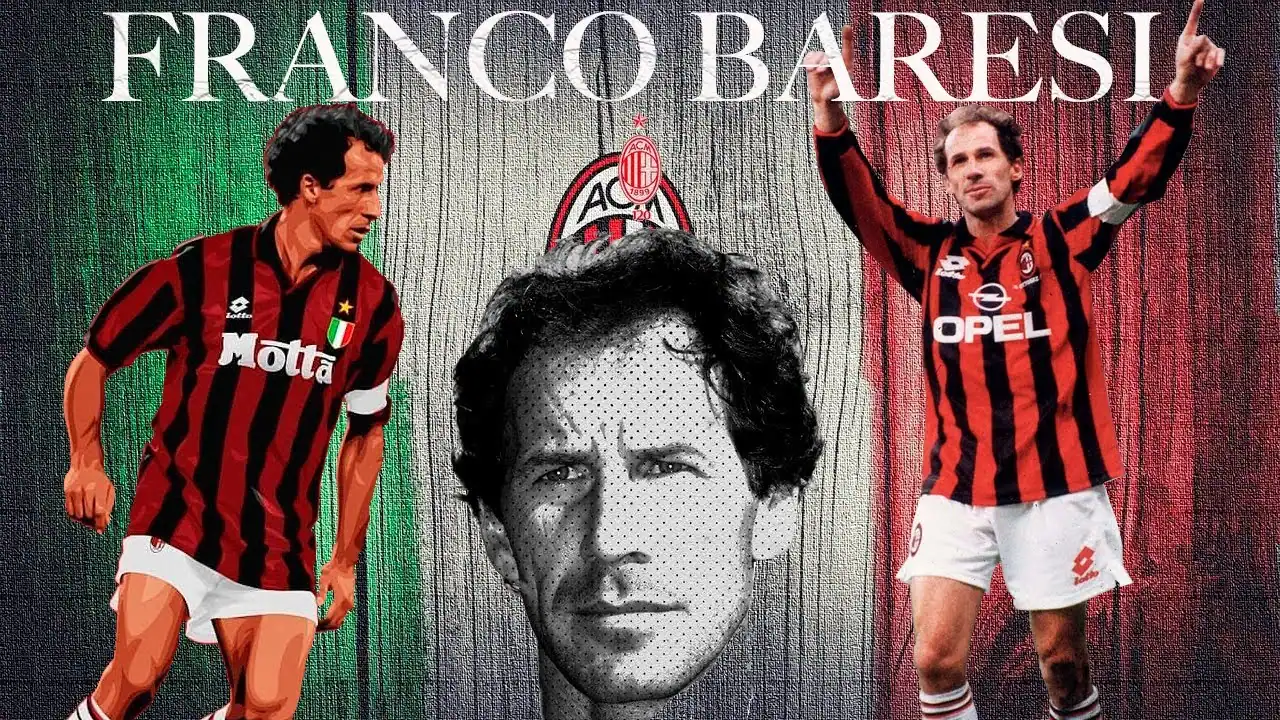
FolioPitch.com – 01 August 2026 | In the wake of Franco Baresi‘s passing, Fabio Capello explains why Baresi was so important for Milan: A unique vision that transcended the ordinary. The former Rossoneri boss opened his heart to La Gazzetta dello Sport, painting a vivid portrait of a man who was far more than a legendary centre-back. For Capello, Baresi embodied the very soul of AC Milan, a symbol whose influence reached far beyond the pitch.
Speaking with palpable emotion, Capello recalled the first time he saw a young Baresi make his debut back in 1976 under Nils Liedholm, when Capello himself was still a Milan player. From those early days, the nickname “Piscinin” — meaning “little one” in Milanese dialect — stuck, but there was nothing small about his impact. “Franco was a fantastic guy. He worked so hard to become what he became,” Capello said. “He was a symbol for everyone who came to play for AC Milan.” It was Baresi’s relentless dedication in training, his professionalism, and his constant presence that set the standard for an entire generation of champions.
Even the unique family dynamic with his brother Beppe, who played for city rivals Inter, fueled their competitive fire. “The two brothers loved each other very much. They were two such good and honest people that they couldn’t help but love each other and be loved by others. There was no sign of envy between them,” Capello recalled. Though Franco won more trophies, their mutual respect and love remained intact, a rare example of family joy in the ruthless world of top-level football.
Capello explains why Baresi was so important for Milan: A unique vision that set him apart from every other defender of his generation. Known for extraordinary speed, razor-sharp intuition, and immense tactical intelligence, Baresi read the game like a chess grandmaster. “He possessed an almost unique vision of the game,” Capello emphasized. “Defensively, he was the absolute best of that era, not just because he played for a great AC Milan, but compared to any other player in the world at the time.” That vision wasn’t just about positioning; it was about anticipating danger, organizing the backline, and launching attacks with pinpoint precision.
Capello also shared a fascinating anecdote that nearly changed the course of Milan history. When Arrigo Sacchi arrived with his revolutionary methods, Baresi was initially unhappy and Juventus were pushing to sign him. Capello, who had coached Baresi for a few games, met him at a restaurant with their wives to convince the legendary captain to stay. “Let’s say he was a bit hesitant on that occasion, but his attachment to Milan prevailed,” Capello revealed. That meeting preserved the backbone of the greatest Milan side ever assembled.
Despite his countless achievements, Capello believes Baresi never received the international recognition he deserved. “When people ask me about the greatest players I’ve coached, I always name two who haven’t received the awards they deserved: Franco Baresi and Paolo Maldini,” he said. Both were pillars of Italy’s defense, yet neither claimed the individual honors often reserved for more flamboyant attackers. Capello argues that Baresi’s shy personality and reluctance to court the media made him somewhat underestimated internationally, but those who played with and against him knew his true worth.
Capello explains why Baresi was so important for Milan: A unique vision that extended to the human side. Baresi’s relationship with Silvio Berlusconi was excellent, with the president respecting a player who made the difference in every situation. “Franco was reserved, he didn’t like talking, he enjoyed moments of joy with the team,” Capello said. Far from being aloof, Baresi was always open to younger players, joking and bonding with teammates, but his greatest teaching tool was the power of example. “When I read today that Gabbia talks about how someone as successful as Modric lives, I remember what Franco was like,” Capello reflected. “The beautiful thing about Franco was precisely this, always thinking about making people happy, the AC Milan family.”
The secret of that Milan side, according to Capello, was the example set by players who had won everything and still were never satisfied. Baresi was the embodiment of that relentless hunger. “He had the pride of playing for this shirt, for the fans, and as captain he transmitted these feelings,” Capello said. Every match, every training session, Baresi gave his all, and his dedication became the blueprint for those who followed.
As Milan prepares to bid farewell to its iconic captain, Capello hopes the world will finally give Baresi the posthumous recognition he never received in life. “With his character, Franco probably wouldn’t have been much on social media. Now everything is different,” he mused. “But I think he deserves an international posthumous award. For who he was and how he behaved.” The funeral at the Basilica of Sant’Ambrogio on Tuesday will draw thousands, all paying tribute to a man whose legacy extends far beyond trophies. Capello’s heartfelt words remind us that Franco Baresi was not just a defender; he was the living embodiment of AC Milan’s values, a unique visionary whose impact will forever resonate in the annals of football history.
Ahonui Stanford Damar somehow turned a literature degree into a career writing news—maybe because fiction and breaking news both require a healthy dose of imagination. Based in Tangerang since 2011, he balances his journalistic cyn


This website uses cookies to ensure you get the best experience on our website and to comply with privacy regulations (GDPR). By continuing, you agree to our Privacy Policy and Cookie Policy.