


 Demas Zac October 29, 2026 10:37 pm . 4 min read
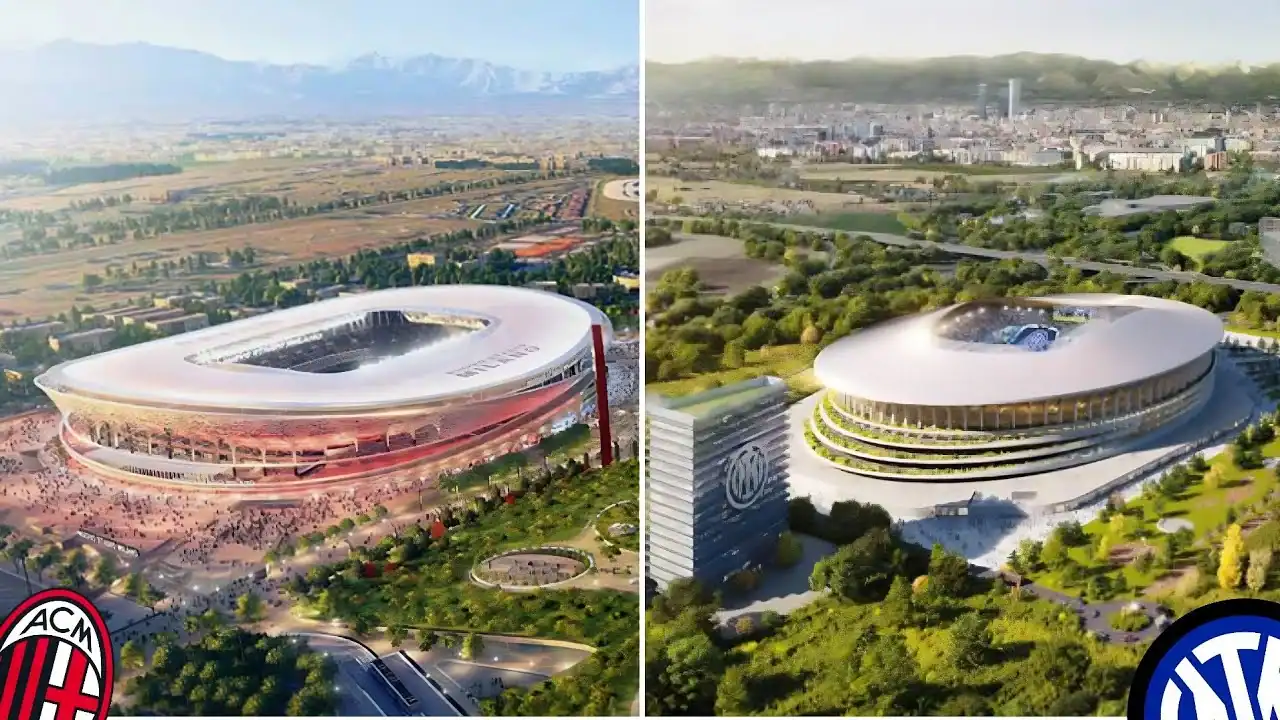
FolioPitch.com – 29 October 2026 | AC Milan and Inter Milan have set their sights on a transformative project that could reshape their financial futures, and the driving force is clear: money. As detailed in the GdS How Milan and Inter aim to get 120m annual revenue boost from new stadium, the two clubs are planning a new facility to replace the century-old San Siro, aiming to close the gap with Europe’s financial elite. The GdS How Milan and Inter aim to get 120m annual revenue boost from new stadium report reveals that the project is not just about a modern arena but about creating a year-round economic engine.
The urgency behind the move is underscored by the stark disparity in stadium revenues. In their latest financial statements as of 30 June 2026, Inter recorded stadium revenues of €90m, while Milan posted €50m. By contrast, Manchester United reached €185m, Barcelona €225m, and Real Madrid an astonishing €363m, buoyed by the revamped Bernabeu. Even Barcelona’s recent El Clasico generated €19.1m in matchday revenue alone, a Spanish record, despite a reduced Camp Nou capacity of 60,000. The GdS How Milan and Inter aim to get 120m annual revenue boost from new stadium analysis highlights that the Milanese clubs cannot afford to fall further behind.
The new stadium project, with final estimates expected in the Economic Feasibility Plan in early 2027, projects approximately €120m in aggregate annual revenue. Of this, just over €80m is directly attributable to the stadium, while around €40m comes from other commercial activities. This translates to roughly €60m in additional annual revenue for each club, a significant leap toward competitiveness.
The stadium itself is forecast to generate €80.1m annually, with several key components:
Additionally, other commercial activities are expected to bring in €40.3m annually. The largest slice is leisure & entertainment at €23.2m, followed by offices at €8.86m, retail parking at €6.88m, a conference centre at €0.91m, and office parking at €0.42m. Notably, ticketing is excluded from these projections, as both clubs have consistently stated that revenue growth will stem from hospitality and commercial ventures rather than higher ticket prices. The GdS How Milan and Inter aim to get 120m annual revenue boost from new stadium blueprint emphasizes this shift.
Central to the strategy is a massive expansion of hospitality offerings. Currently, San Siro has approximately 3,000 hospitality seats; the new stadium would boost that to 13,000. This aligns with the clubs’ recent efforts, such as the San Siro Rooftop Experience, but the current structure is insufficient to rival Europe’s top clubs. The GdS How Milan and Inter aim to get 120m annual revenue boost from new stadium plan leverages hospitality to maximize matchday and non-matchday income.
The proposed model aims to exploit the new facility even on non-matchdays through events, tourism, and commercial activities, turning the stadium into a 365-day destination. This comprehensive approach is designed to elevate Milan and Inter’s revenue profiles and ensure they can compete financially with the likes of Real Madrid and Barcelona.
The new stadium represents a pivotal moment for both Milan and Inter. With the potential to generate an additional €60m per year for each club, the project is not merely about replacing an aging icon but about securing a prosperous future. As the GdS How Milan and Inter aim to get 120m annual revenue boost from new stadium outlines, the clubs are poised to transform their economic landscape and narrow the gap with European powerhouses. The coming years will reveal whether this ambitious vision becomes reality, but the financial imperative is undeniable.
From the restless hum of Medan’s newsrooms, Demas Zac forged a writer’s instinct—sharpened by conversations with journalists who treated truth like poetry. Since 2017, he has turned the lens inward, observing how sci-fi dystopias mirror the rhythm of urban streets, finding sparks of hope in concrete corners. His words don’t just narrate; they dare you to see the future hiding in today’s quiet revolutions.


This website uses cookies to ensure you get the best experience on our website and to comply with privacy regulations (GDPR). By continuing, you agree to our Privacy Policy and Cookie Policy.